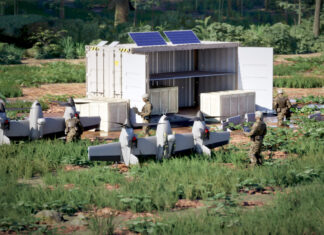
The U.S. Naval Institute argues that containerized weapons and sensors could transform military operations by providing faster, cheaper, and more flexible ways to deploy firepower. Standardized containers can carry missiles, drones, sensors, and electronic-warfare systems across a range of platforms, allowing forces to rapidly adapt to changing missions.
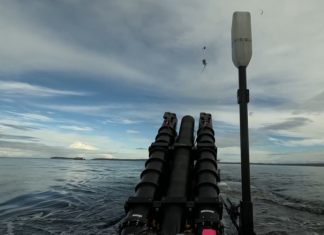
Lockheed Martin’s GRIZZLY and Kodiak systems demonstrate this concept in practice. GRIZZLY is the smaller-footprint option, designed for precision tactical missiles such as Hellfire and counter-drone defense. Kodiak, by contrast, is a heavier system built for offensive rocket artillery and can carry up to 12 GMLRS rockets in a single container.
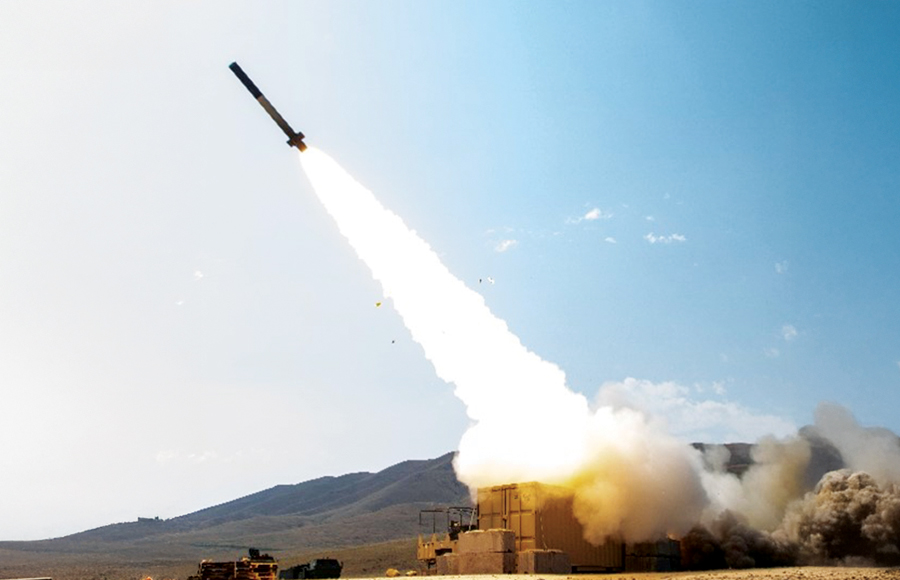
On August 12, 2026, Lockheed Martin completed Kodiak’s first integrated live-fire test, successfully launching a Reduced-Range Practice Rocket. The test demonstrates the potential to deliver offensive fires from a compact, low-observable container that can be deployed from land, air, or sea platforms.
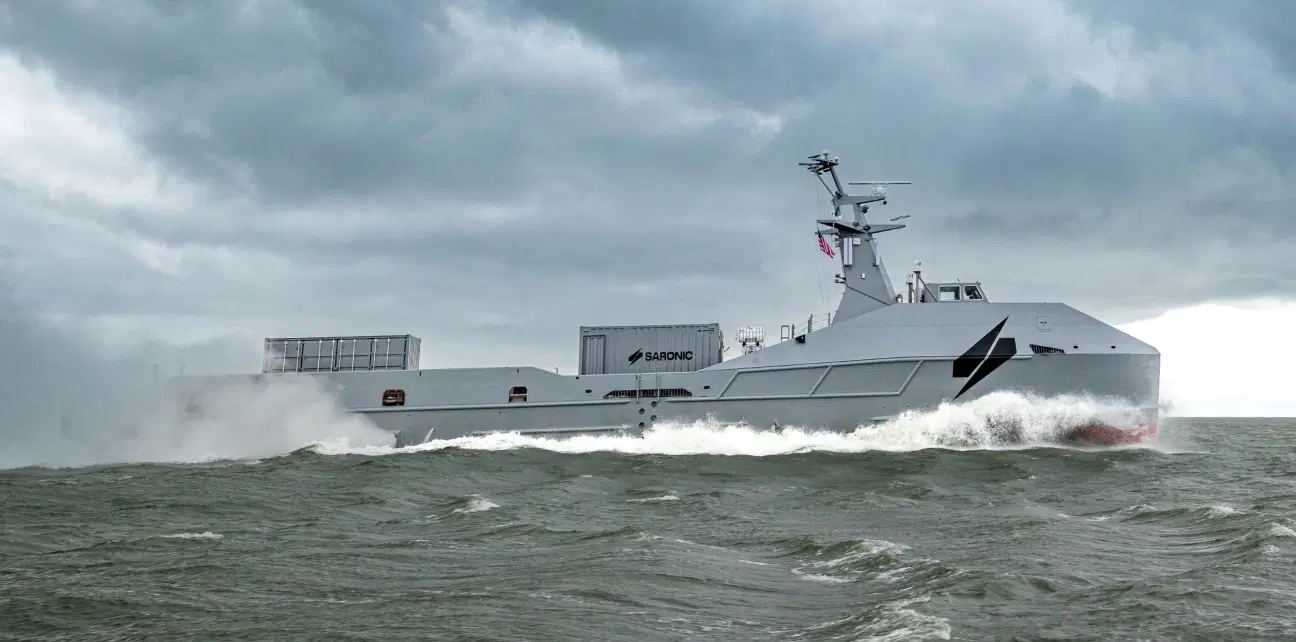
The same push toward distributed and autonomous military capability is visible at sea. Saronic announced on August 10, 2026, that it has expanded to the Port of Gulfport, Mississippi, where it is testing and commissioning its 180-foot autonomous Marauder vessels. The new facility will support final testing as production increases, further highlighting the military shift toward mobile, modular and unmanned platforms.
Together, these developments point to a broader move toward modular lethality—deploying scalable weapons and autonomous systems that can be dispersed, repositioned and integrated across land, sea and air domains.