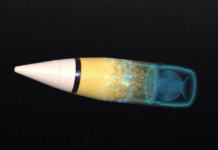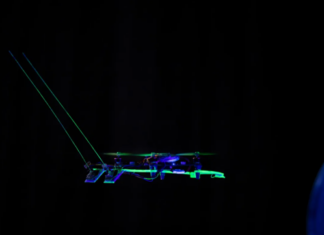
Lockheed Martin is expanding its air defense portfolio with two new systems designed to counter the growing range of aerial threats, from drone swarms to advanced missiles. The company has unveiled MORFIUS™ X-Rotor, an airborne high-power microwave (HPM) counter-drone system, and the PAC-3 Adapted Capability Effector (PAC-3 ACE), a lower-cost missile interceptor aimed at increasing defensive capacity.
Lockheed’s New Weapon Hunts Swarms With Microwaves

MORFIUS X-Rotor is a reusable counter-UAS weapon designed to defeat large drone swarms by using directed microwave energy to disrupt enemy drone electronics. The system can reportedly neutralize up to 50 drones in a single mission, offering a cost-effective alternative to traditional kinetic interceptors. Designed for rapid deployment and reuse, MORFIUS can integrate with existing defense networks without requiring a dedicated fire-control radar.
The MORFIUS™ X-Rotor is a portable, cost‑effective counter‑drone system that can neutralize up to 50 enemy drones in a single mission. Designed for rapid reuse and rapid deployment. pic.twitter.com/J3tvFrgkuf
— Lockheed Martin (@LockheedMartin) July 20, 2026
Half-Cost Interceptor Expands Missile Defense Capacity
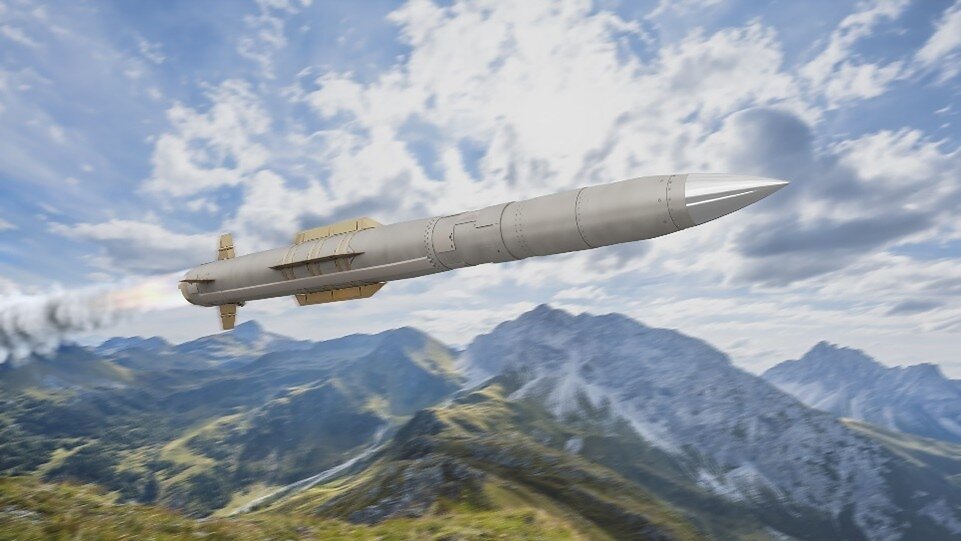
PAC-3 ACE strengthens the missile defense side of the air defense mission, providing a lower-cost interceptor designed to defeat aircraft, cruise missiles, and short- and close-range ballistic missile threats. Built on proven Patriot technology, the PAC-3 fire-control system, and the Integrated Battle Command System (IBCS), the interceptor is designed to cost less than half as much as a PAC-3 MSE while increasing the number of available interceptors.
Together, MORFIUS X-Rotor and PAC-3 ACE highlight Lockheed Martin’s effort to build a layered air defense architecture—combining affordable drone-killing technology with expanded missile interception capacity to help US and allied forces defend against increasingly complex aerial attacks.