The Pentagon is assessing the damage to U.S. military bases across the Middle East and weighing the costs of rebuilding against potential changes to America’s global military posture. Defense officials are conducting the reviews with U.S. Central Command (CENTCOM) to determine which installations remain strategically necessary and where to prioritize future investments.
The assessments follow Iranian and allied attacks on U.S. installations after American and Israeli strikes on Iran in February 2026. Damage reportedly rendered the Combined Air Operations Center at Qatar’s Al Udeid Air Base inoperable, while other facilities in Saudi Arabia and Bahrain were also affected. BreakingDefense reports that the Pentagon has not yet provided a comprehensive estimate of repair costs, prompting lawmakers to demand greater transparency about the conflict’s overall financial impact.
Acting Navy Secretary Hung Cao acknowledged that “they blew the hell out of Bahrain.” Chief of Naval Operations Adm. Daryl Caudle separately said the Navy would not be using Naval Support Activity Bahrain “anytime soon.”
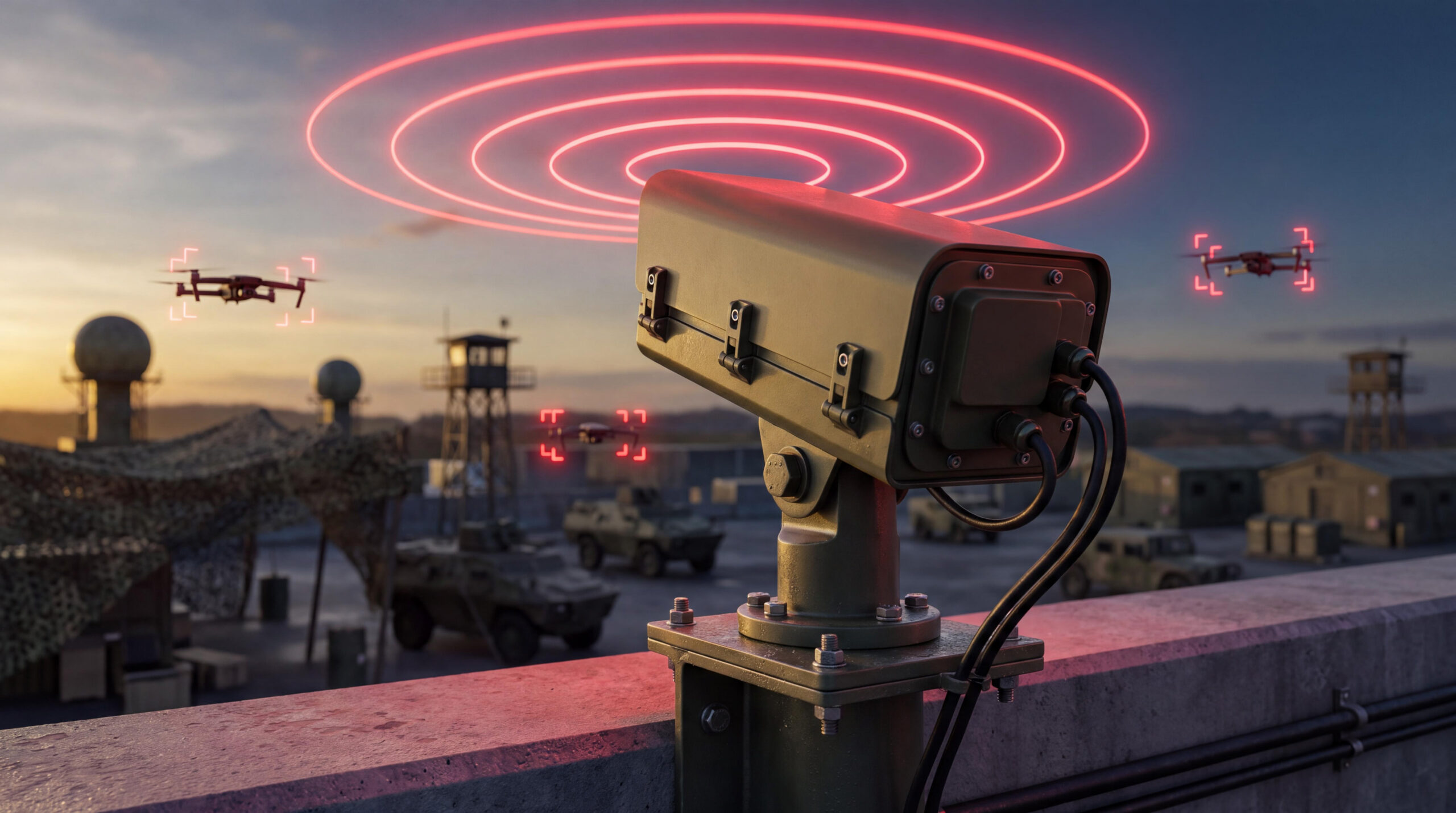
Defense officials say future bases must be designed for greater resilience against drones, cruise missiles, and other emerging threats. Rather than relying solely on reinforced structures, the Pentagon is considering a combination of improved defenses, protective infrastructure, and more strategic investment in critical facilities. The review could reshape the U.S. military’s overseas presence and domestic base protection as planners reassess vulnerabilities and prioritize resources.