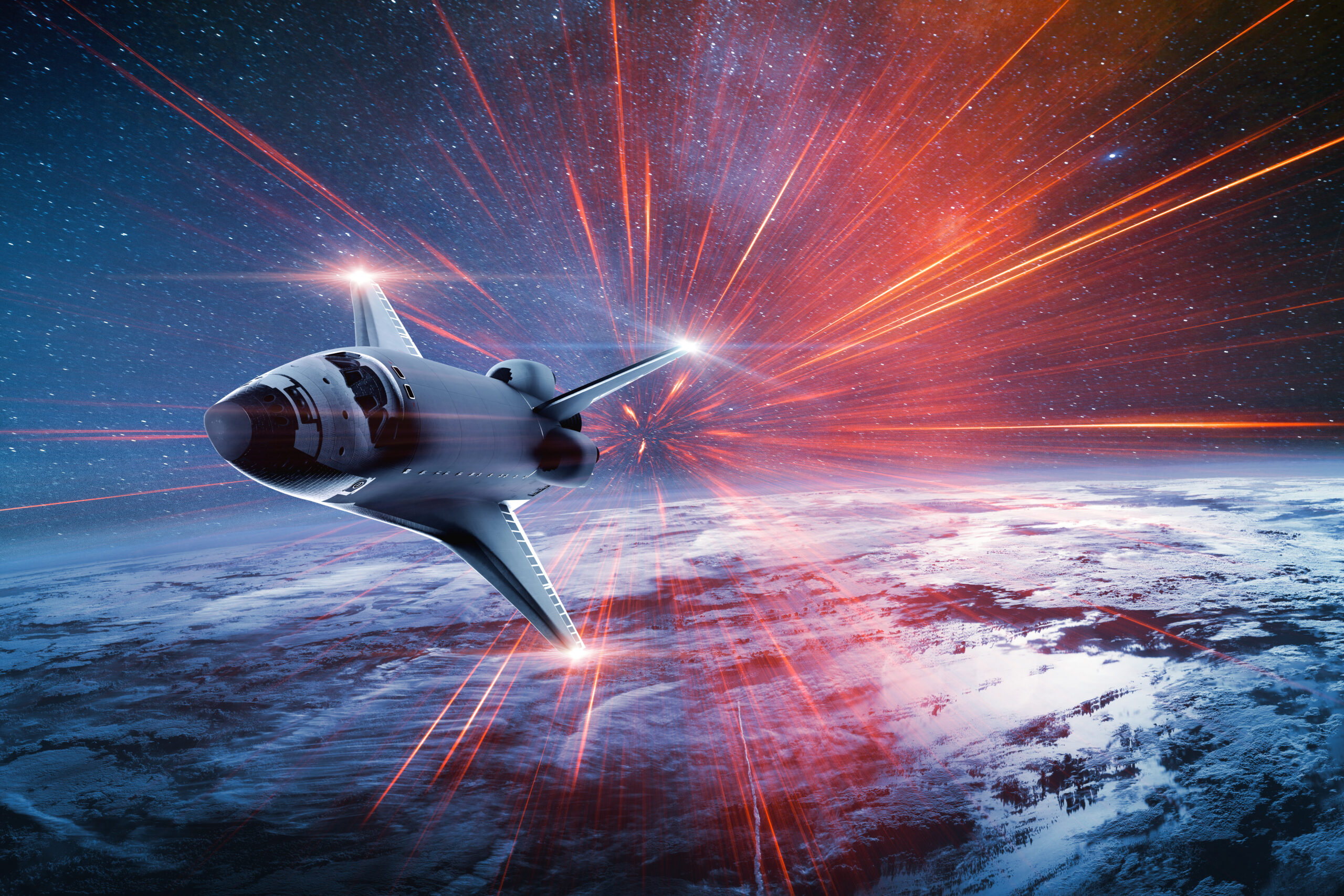
China’s highly classified reusable spaceplane, known as Shenlong, has appeared in its clearest publicly available image yet, released by the U.S. Defense Intelligence Agency (DIA) in its 2026 Challenges to Security in Space report. The photograph, captured by Maxar Technologies in 2024, provides a detailed view of the vehicle’s underside and distinctive rear-facing solar panel arrays, according to Popular Science.
The @DefenseIntel latest Challenges to Security in Space report makes clear that competition in space is accelerating as China and Russia advance their capabilities.
The report documents China’s expanding presence in space, including reusable space systems, and features Vantor’s WorldView Space imagery of a Chinese spaceplane in orbit in 2024. Our analysts provide additional context on the image in the graphic below.
Commercial space is now a critical part of the national security toolkit. Commercial imagery and analysis give the U.S. and its allies greater visibility into activity in orbit and help decision-makers understand emerging capabilities. Continued investment in these capabilities is essential as the space domain becomes increasingly contested.
Read the full DIA assessment and view the Vantor image on page 53: https://t.co/70VQjbmoAK
— Vantor (@vantortech) October 28, 2026
Shenlong has completed at least three known orbital missions since 2020, including a 268-day mission launched in December 2023. During that mission, the DIA reported that the spacecraft released and interacted with an unidentified object, raising questions about its potential on-orbit capabilities.
China reportedly launched the space plane’s fourth mission in February 2026. Like the U.S. Space Force’s Boeing-built X-37B, Shenlong is designed for extended, uncrewed orbital operations and runway landings after returning to Earth. However, its precise mission objectives, technologies, and military applications remain classified.
The newly released imagery offers valuable insight into China’s reusable spaceplane program, particularly its apparent solar-powered configuration, but provides little definitive evidence of its operational capabilities. The spacecraft’s extended missions and interactions with unidentified objects underscore growing strategic interest in reusable orbital vehicles and space-based military technologies.