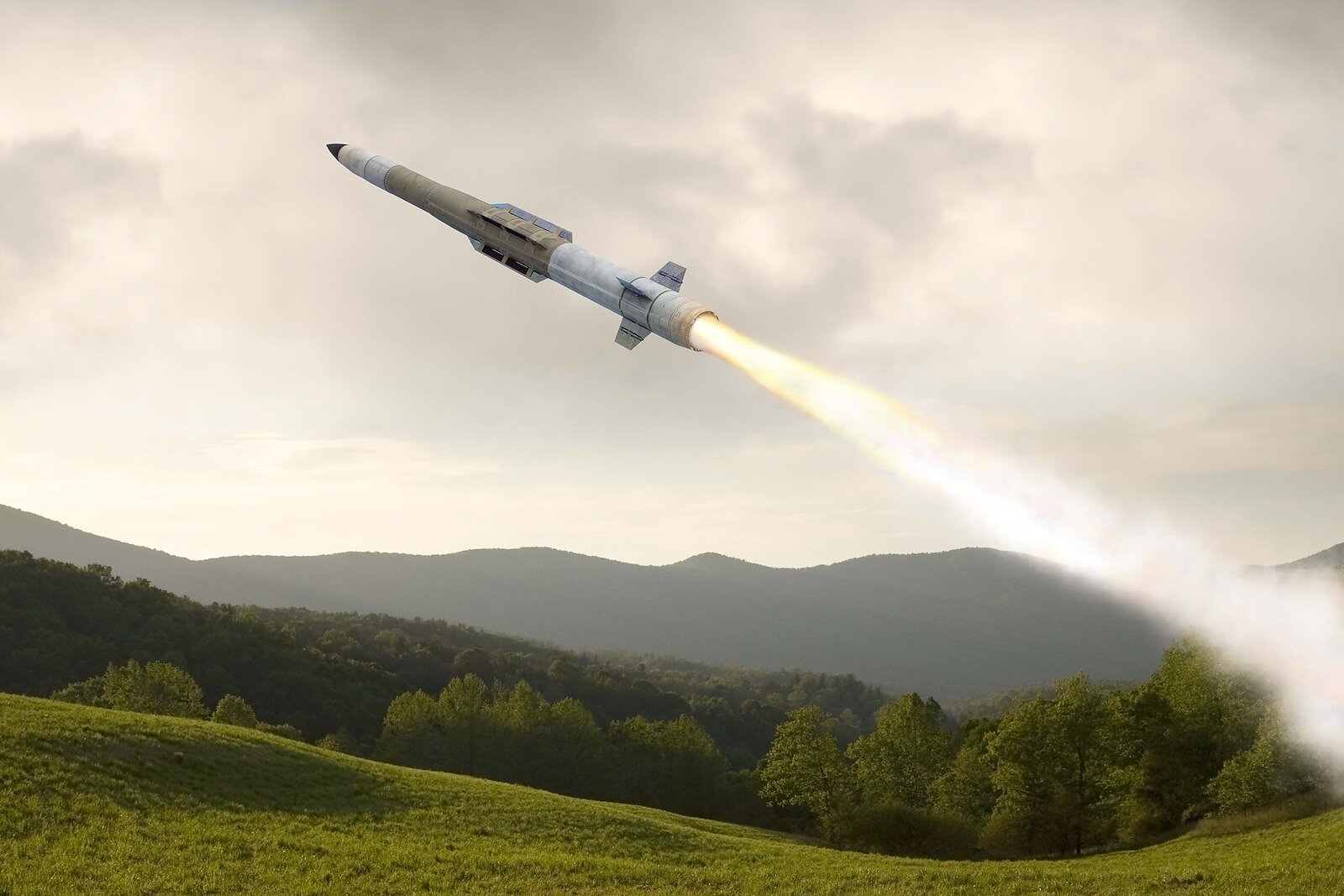
Ukraine is facing a critical shortage of Patriot interceptor missiles, creating what analysts describe as a “window of vulnerability” that Russia is exploiting by increasing ballistic missile attacks, reports The Guardian. Because Patriot is Ukraine’s only proven defense against many ballistic missiles, Kyiv has been forced to ration its remaining interceptors, leaving some attacks uncontested.
The shortage has been intensified by heavy US and allied use of Patriot missiles during the conflict with Iran, where more than 1,100 Patriot interceptors were reportedly expended. At the same time, annual production of Patriot interceptors—currently around 600 missiles—is far below global demand. Although manufacturers are expanding output, experts estimate it could take two to three years to rebuild inventories.
Russia appears to be taking advantage of the supply gap by increasing missile barrages at a time when Ukraine’s air defenses are under strain. The growing shortage has raised concerns among NATO and Gulf allies that also depend on Patriot systems, underscoring how limited supplies of advanced air-defense missiles have become a major strategic challenge.
New Hub for Patriot Missile Support
In response to rising demand, the United States and European allies are moving to strengthen Patriot missile sustainment and readiness. Lockheed Martin has announced that the US, Germany, the Netherlands, Poland, and Sweden are exploring the creation of a dedicated PAC-3 missile maintenance facility in Europe.
The proposed facility would provide regional maintenance and support for PAC-3 Missile Segment Enhancement (MSE) and PAC-3 Cost Reduction Initiative (CRI) interceptors, helping NATO allies keep their missile defenses operational and rapidly deployable. The initiative comes as global demand for Patriot capabilities continues to grow, with Lockheed Martin working to expand PAC-3 MSE production capacity and accelerate deliveries to the US and allied forces.