Raytheon, an RTX business, and Composite Energy Technologies (CET) have successfully demonstrated HADALUS, a low-cost, long-endurance unmanned undersea vehicle (UUV), during a US Navy exercise. The test demonstrated the vehicle’s ability to launch underwater and conduct missions while submerged, highlighting its potential for future autonomous undersea operations.
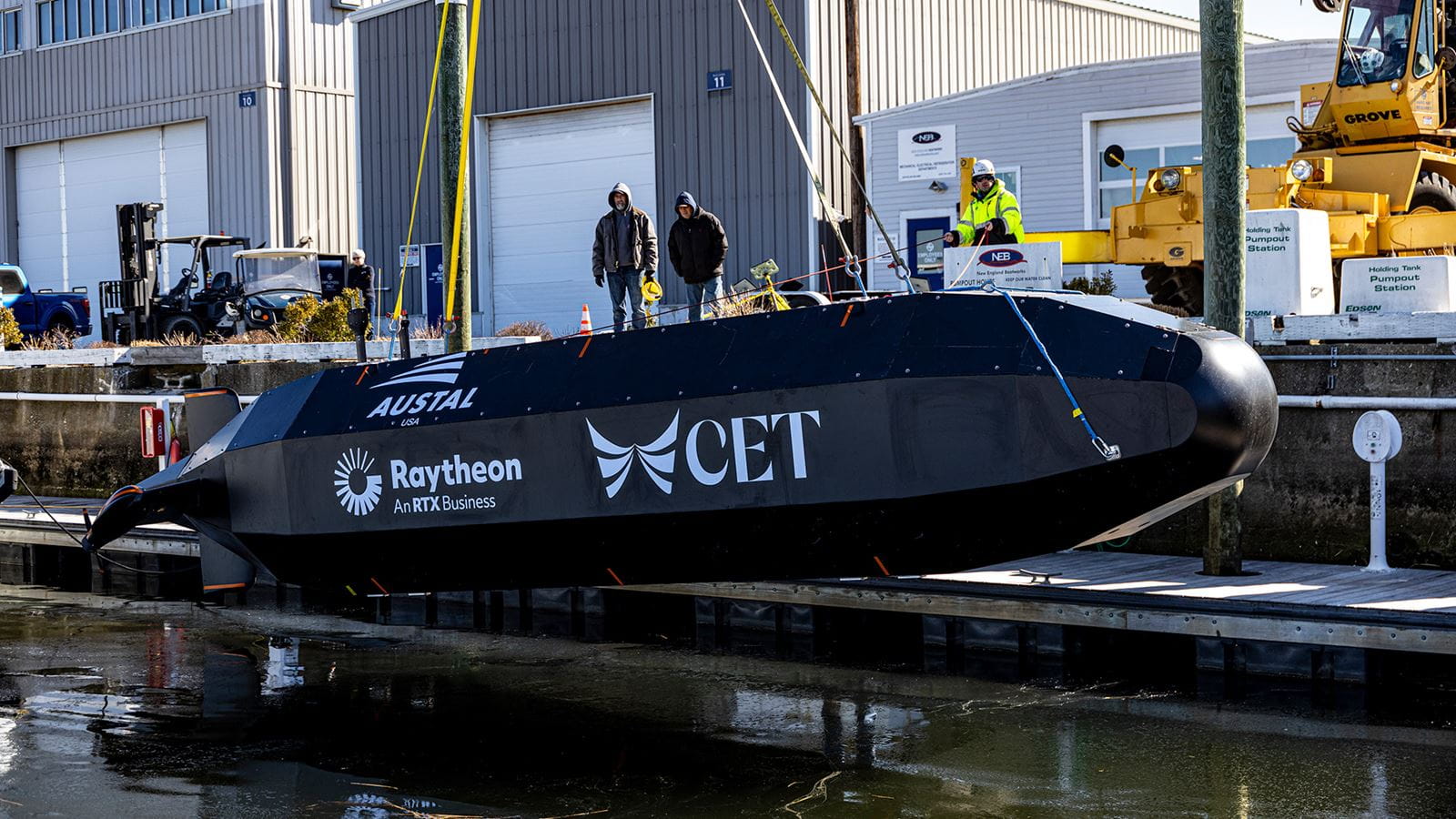
HADALUS can travel up to 3,000 nautical miles and operate at depths of more than 3,000 meters. Its modular design allows operators to customize its payloads and battery configuration for different missions, while CET’s robotic manufacturing process is designed to support faster, large-scale production.
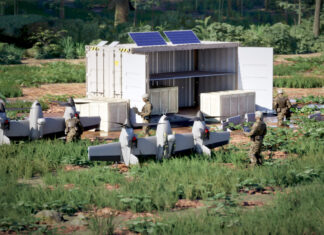
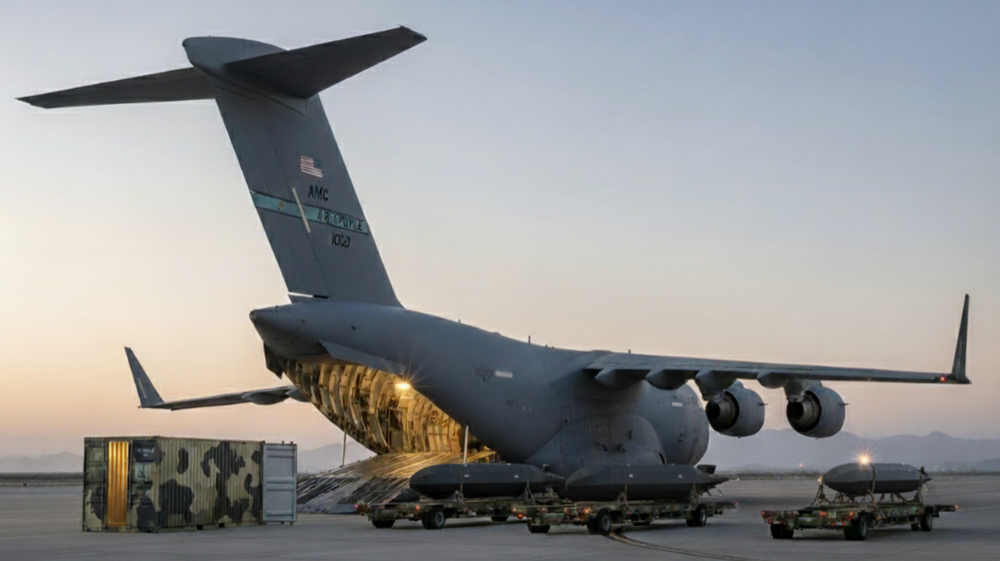
The vehicle also features a “Flat Pack” system that allows multiple AUVs to be transported in a standard 20-foot container and assembled on site. CET says HADALUS could support missions such as contested logistics, discreetly transporting supplies including fuel, ammunition, medical equipment, and other cargo.
Raytheon and CET developed and tested the prototype in less than 18 months, combining CET’s composite vehicle technology with Raytheon’s mission systems and sensors. The successful demonstration highlights the companies’ ability to develop autonomous undersea capabilities more quickly and cost-effectively while offering a scalable platform for future missions.