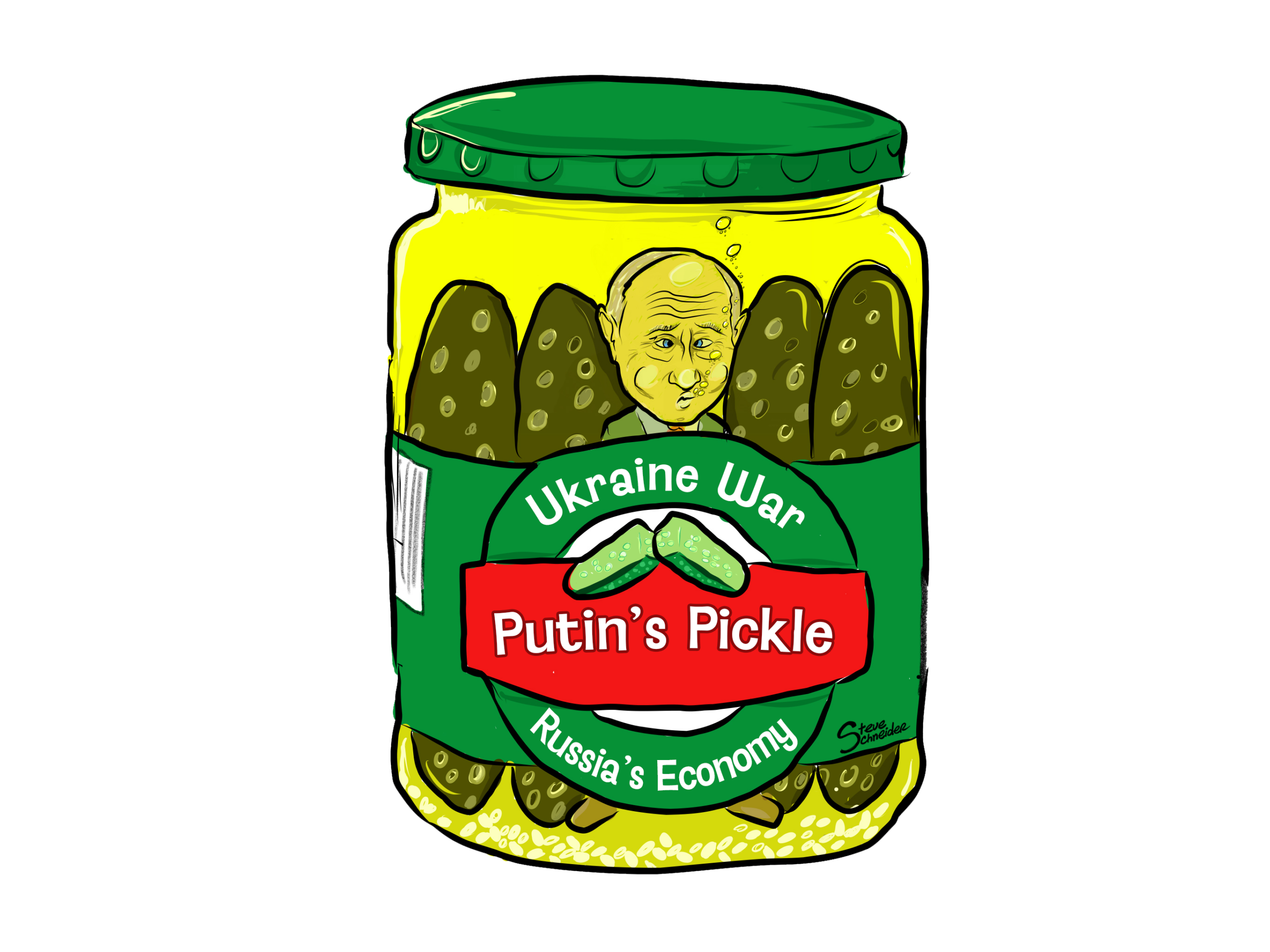
A Foreign Policy article, “The Kremlin’s Easy Money Is Gone,” argues that Putin is in a pickle: Russia can still finance the war in Ukraine, but doing so is becoming increasingly costly. The Kremlin has relied on higher taxes, borrowing, and asset seizures to sustain military spending, shifting more of the burden onto businesses and citizens.
Russia’s war-driven economic boom is slowing as high defense spending, labor shortages, inflation, and high interest rates strain the economy, Reuters adds. Ukrainian strikes on energy infrastructure and companies like Wildberries are also bringing the war closer to ordinary Russians by disrupting logistics and daily life.
The CSIS finds that Russia’s battlefield progress has slowed dramatically, with advances measured in meters rather than major breakthroughs. At the same time, the war is creating growing pressure at home through economic strain, higher prices, and the effects of Ukrainian strikes on Russian infrastructure.
Together, the reports show why Putin is in a pickle: Russia still has the resources to continue the war, but the cost of doing so is steadily rising. The Kremlin faces a difficult balancing act—maintaining military spending while managing a slowing economy, mounting financial pressures, and increasing strain on the Russian public. The war has not broken Russia’s economy, but it is creating a long-term burden that could make sustaining the conflict increasingly difficult.