Ukrainian intelligence says that after losing access to Starlink, Russia turned to “Gazprom” satellite terminals, but the effort has proven a failure, according to the Kyiv Post. The system relies on the five-satellite Yamal constellation, which lacks sufficient capacity to reliably cover the entire front line, with most bandwidth prioritized for users inside Russia. The operating company has also been under international sanctions since February 2024.
Russia is experimenting with a high‑altitude balloon system called Barazh‑1 as a potential substitute for SpaceX’s Starlink satellite communications after access to Starlink was restricted, leaving Russian forces scrambling for reliable battlefield links.
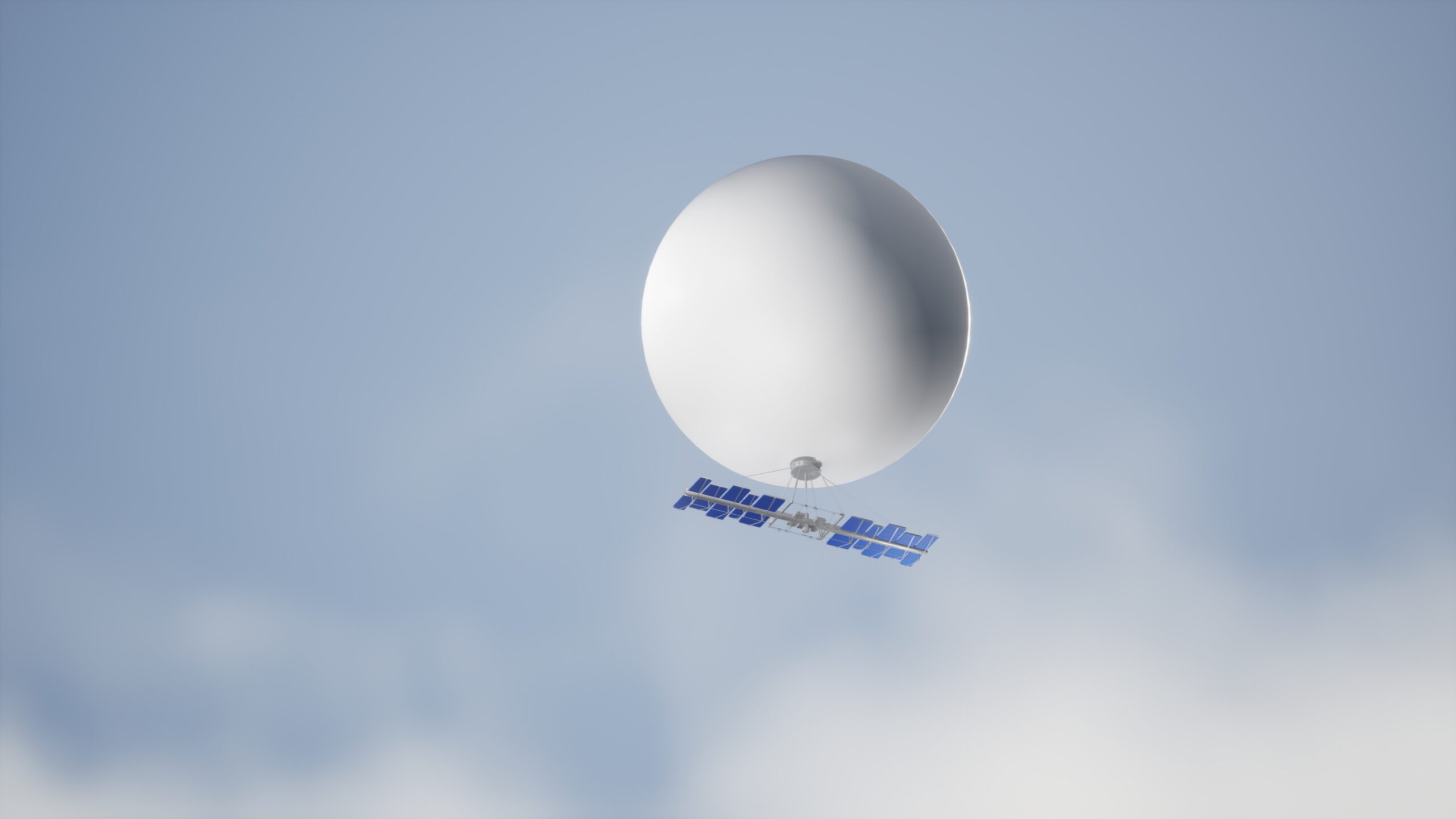
The Barazh‑1 balloons carry 5G/communications payloads into the stratosphere (~20 km altitude) to relay signals over contested areas, using mostly domestically sourced components, potentially easing dependence on foreign tech. While the system isn’t as expansive or resilient as a satellite constellation like Starlink, multiple balloons working together could offer useful regional coverage and help maintain connectivity for troops and drones.
Russia has launched an aerostat with a 5G communication platform, designed to remain in the stratosphere at an altitude of 20–30 km.
The “Barrage-1” can apparently adjust its altitude using a pneumatic ballast system, enabling it to use different winds to maintain its position.
1 https://t.co/MCFKyTIskv pic.twitter.com/MzQIKnvNWg— Roy (@GrandpaRoy2) February 14, 2026
Russia’s efforts underscore the challenges of rapidly replacing lost satellite infrastructure amid ongoing operational demands and limited commercial alternatives, according to Vikram Mittal of Forbes. Mittal writes:
On February 5, 2026, Starlink coordinated with the Ukrainian government to blacklist Russian military access to its network for digital communications, resulting in widespread disconnections across frontline units. […]
Given the critical need for communication, the Russian military has been scrambling to find alternatives. Russian media recently announced the testing of a promising short-term Starlink alternative in the Barazh-1 system, a balloon-based platform capable of carrying a 5G terminal into the stratosphere as a communications relay. […]
Although it is unclear whether the system was originally developed for a specific payload, Russian media report that it is now being tailored to carry a 5G non-terrestrial network (NTN) terminal. […]
In a war defined by speed, drones, and distributed operations, reliable communications remain a key component of combat power.
Read more here.