Trevor Phillips-Levine, Andrew Tenbusch, and Walker D. Mills of War on the Rocks highlight that modern militaries face the risk of overinvesting in highly survivable, expensive platforms, which can undermine overall force resilience and limit numerical strength. When too much is spent making individual systems nearly invulnerable, these “gilded” capabilities may be withheld from combat or lost with little impact, particularly against adversaries who exploit cost and attrition dynamics. They write:
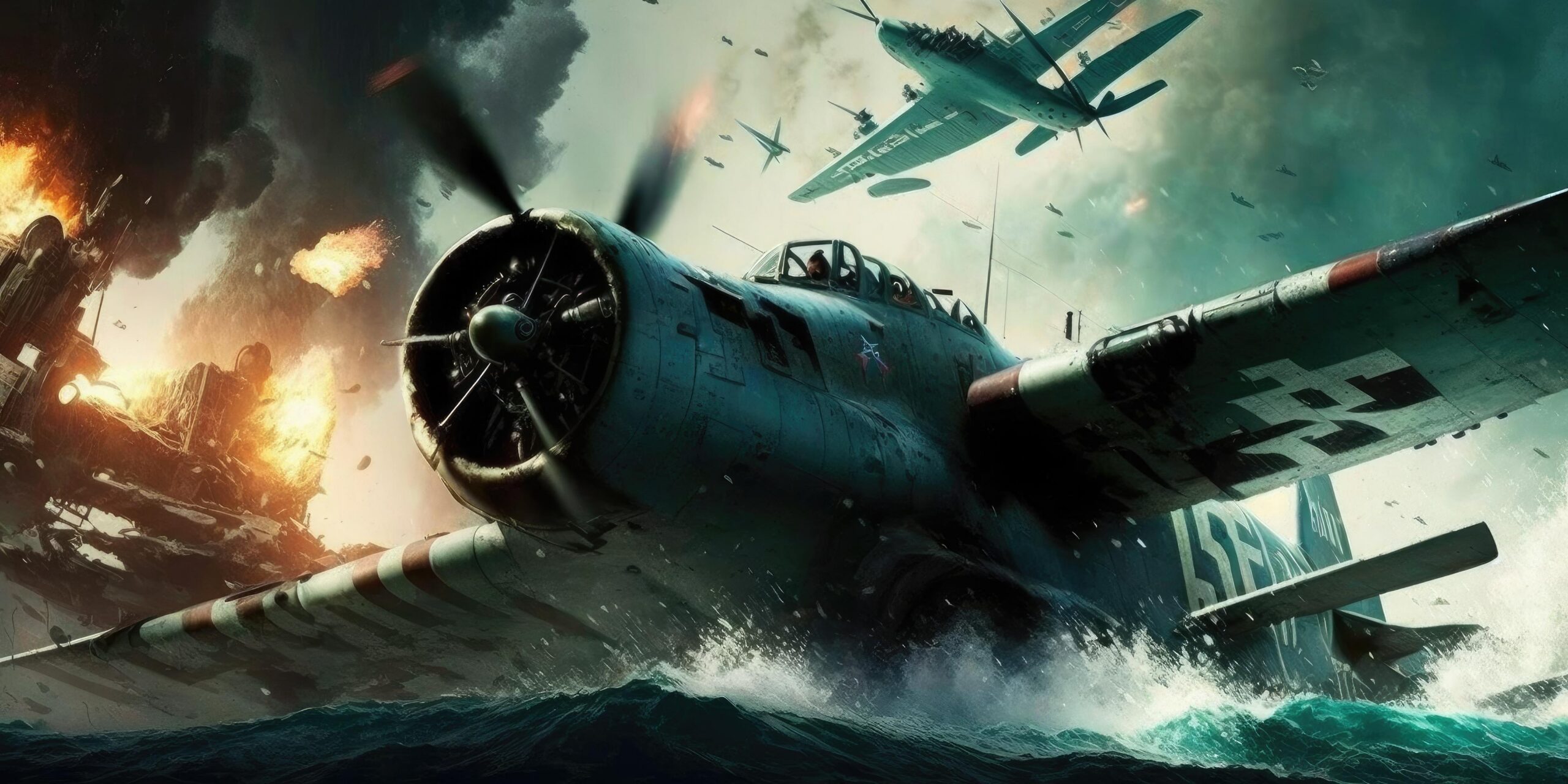
Infernos raged aboard Japanese aircraft carriers after U.S. Navy dive-bombers found their marks during the Battle of Midway. Many Japanese pilots were incinerated in ready rooms and in the cockpits of their aircraft while they sat idling on flight decks. Those who were airborne returned to find their carriers aflame. They circled until fuel exhaustion and ditched into the sea, and many were never recovered. For Japan, the loss of its carriers was damaging, but the loss of its naval aviators was catastrophic. Her navy never recovered.
Japan overinvested in individual pilots, overconcentrating capability into an exquisite cadre at the expense of regeneration and pilot training throughput. Japan spent substantially more per pilot than the United States. […]
As the article points out, examining historical lessons, the dynamics of the survivability paradox, and the implications for modern force design helps explain how overinvestment can undermine military effectiveness.
Historical example of overinvestment: A lesson from World War II shows the danger of overconcentration: Japan’s focus on highly trained pilots and elite aircraft limited its ability to regenerate forces after attrition. These “gold-plated” capabilities came at the expense of broader systemic resilience—a pattern that can reemerge if modern militaries prioritize expensive survivability over scalable, regenerable forces.
The survivability paradox and modern drivers:
The “survivability paradox” describes a self-reinforcing cycle: scarcity drives concentrated capabilities; concentrated capabilities require higher survivability; higher survivability increases costs; rising costs shrink force size; and smaller forces then demand even more survivability. This dynamic favors costly, capital-intensive platforms like advanced aircraft and large warships but can leave forces brittle and less able to absorb losses in prolonged conflicts.
Implications for force design and resilience:
Modern force design should strike a balance between quality and quantity, prioritizing system-level resilience over incremental gains in individual platform survivability. A mix of scalable assets, combined with an acceptance of some operational risk, can create a more robust and effective military, particularly when numeric strength is constrained by budgetary or industrial limits.
Read the full article here.