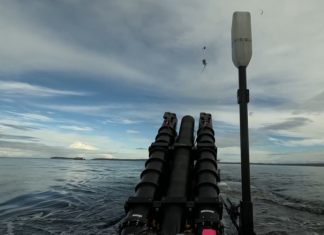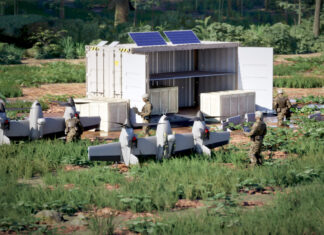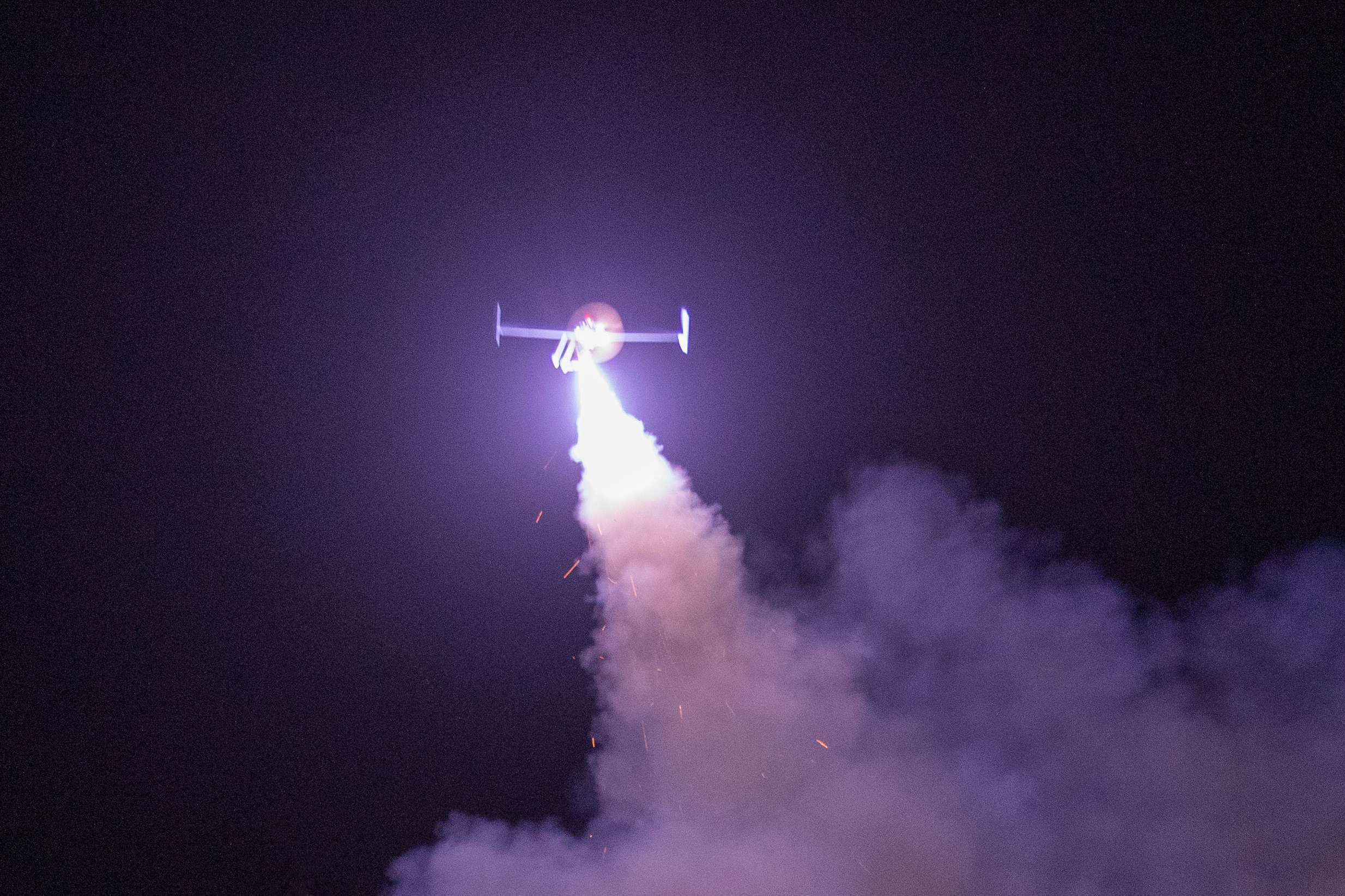
US forces launched one-way attack drones on April 6th, 2026, as part of Iran during Operation Epic Fury, marking an expanded use of low-cost unmanned systems in combat. According to CENTCOM, hundreds of drones are now integrated across air, sea, and ground operations, highlighting a shift toward scalable, multi-domain drone warfare.
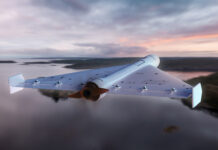
The US military has rapidly developed and deployed the low‑cost LUCAS (FLM‑136) drone — costing roughly $10,000 to $55,000 per unit — based on reverse‑engineered Iranian Shahed technology, and has used it effectively against Iranian targets in the current conflict, according to The Wall Street Journal.
The Marine Corps was the first to use the drones, and ordered around 6,000, destined for the Indo-Pacific. But then the war with Iran began. The drones were handed over to U.S. Central Command and in February made their first appearance in combat.
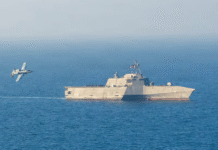
Built in under two years and costing a fraction of traditional missiles, the drone has been used in successful strikes on key Iranian targets and contributed to a sharp drop in enemy drone attacks. The USS Santa Barbara (LCS 32) previously made history on December 16th, 2025, when it became the first Independence-class ship to launch the groundbreaking LUCAS, demonstrating the system’s versatility across multiple platforms.
The program highlights a shift in US strategy toward mass-producing affordable, expendable drones, though questions remain about their effectiveness in more advanced, contested environments.
The Air Force justified a sole-source contract to Spektreworks, Inc., awarded in 2026 and valued at approximately $30 million, as the only qualified provider for the FLM-136 drone system.
The decision cites the company’s proprietary data, technical expertise, and unique ability to support operations and re-qualification.