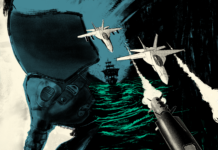
The article, “Missiles Aren’t Strategy: Lessons From Iran for a Pacific Air War“ by David Deptula and Jahara Matisek for War on the Rocks, argues that while China’s missile arsenal presents a serious challenge to US and allied airpower in the Indo-Pacific, missile numbers alone will not decide a future conflict. Drawing lessons from Ukraine and the 2026 Iran war, the authors explain that modern warfare depends on adaptation, dispersal, rapid runway repair, deception, and counterattacks, all of which can help air forces continue operating despite sustained missile strikes.
It highlights the vulnerability of air bases, tankers, and command aircraft, which are critical for US operations across the Pacific. However, damaged runways and bases can often be repaired quickly, and dispersed operations make targeting more difficult.
They stress that defensive measures alone are not enough. Offensive counter-air operations — attacking enemy missile launchers, sensors, and command systems — are essential to reducing incoming strikes and maintaining combat effectiveness.
Deptula and Matisek conclude that while China’s missile threat is serious, resilience, adaptation, and strategy will shape the outcome more than missile numbers alone.