
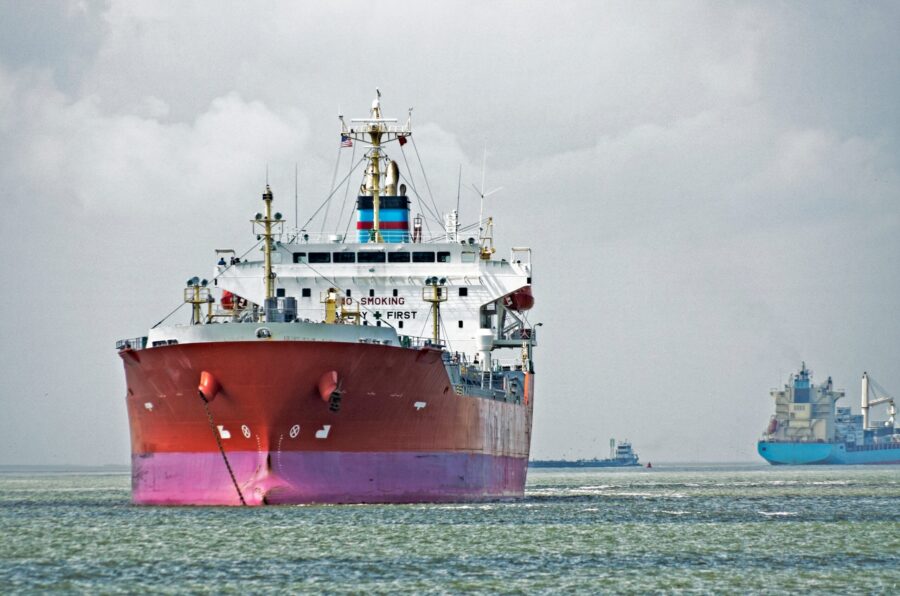
In response to the effects of the war with Iran on shipping, the Trump administration waived the Jones Act, which usually restricts intra-country shipping traffic to a limited number of ships in the U.S. Merchant Marine fleet. According to the K&L Gates Maritime group’s Essential Guide to the Jones Act from 2025, “the law requires that when transported on vessels between two points in the United States, merchandise moves on vessels that are built in the United States, registered in the United States, crewed by Americans, and owned by US citizens.”
With the Trump administration’s waiver of these rules, analysts like the Cato Institute’s Colin Grabow are getting a real-time test of whether or not the Jones Act is actually good for America. According to Grabow, the verdict is obvious, and the answer is no. Grabow also points out how special interests being protected by the Jones Act are pushing back against the waivers. He writes:
Since March, a Jones Act waiver for energy and fertilizer shipments has acted as a real-time experiment in what the country might look like without the law’s shipping restrictions. The results are noteworthy, including historically significant volumes of crude oil and petroleum products being moved to the West Coast from domestic sources, a surging appetite by Puerto Rico for American fuel, and the opening of new trade routes. It’s compelling evidence for the long-standing critique that the Jones Act functions as a barrier to domestic commerce.
But beyond its economic insights, the waiver is also producing additional evidence on the role of special interests in preserving the protectionist law. As I pointed out last year, the law’s concentrated benefits have produced an ecosystem that exerts near-constant pressure to maintain the Jones Act and thwart reform efforts, while those who bear its burden remain rationally ignorant and politically inactive. This is now playing out before us, with the waiver showing the machinery of Jones Act advocacy at work.
The Response
Unsurprisingly, Jones Act advocacy groups and the broader maritime lobby did not respond to the waiver quietly. In their attempt to end the law’s suspension, or at least prevent it from being further extended, these organizations have employed the full array of available tools.Paid media: In May, the American Maritime Partnership (AMP) announced a national ad campaign opposing the waiver, including television, connected TV, radio, and digital advertising. Its lead ad has drawn approximately 440,000 YouTube views, and eight new clips—“End the Waiver,” “Talking Point,” “Republican Leaders Say End the Waiver” and their various versions—have so far pulled in over 3.2 million combined views. That’s substantial reach for a channel with 514 subscribers.
The Cato Institute posted some of Grabow’s findings on X.com:
A temporary Jones Act waiver has allowed more US energy shipments, new trade routes, and lower barriers to domestic commerce. @cpgrabow explains how the shipping industry is fighting to keep the Jones Act because it benefits from the restrictions while consumers and businesses…
— Cato Institute (@CatoInstitute) August 6, 2026
On his own account on X, Grabow has detailed how the Jones Act waivers have been very helpful to isolated American markets like Puerto Rico that are normally held hostage to protected shipping interests.
Day 141 of the Jones Act waiver. Puerto Rico has now imported more petroleum products from the US mainland under the waiver (less than 5 months) than in any of the last 11 years: pic.twitter.com/cU65BLqVvn
— Colin Grabow (@cpgrabow) August 6, 2026
Ending the Jones Act permanently could open up a wide variety of new trade routes throughout the United States that are currently unserved.
Read more here.


