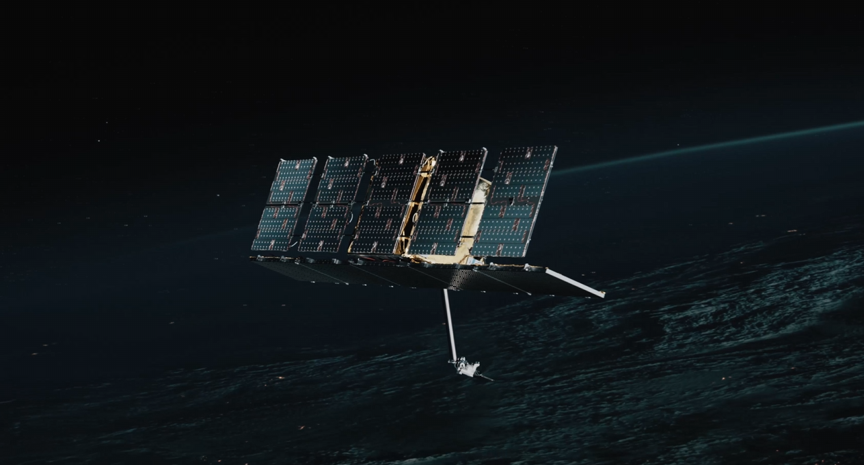
Russia’s military satellite Kosmos 2612 reportedly maneuvered to within approximately 85 feet (26 meters) of ICEYE X36, a U.S.-registered commercial radar-imaging satellite, on October 19, 2026. According to The War Zone (TWZ), the Russian satellite spent weeks adjusting its orbit to shadow ICEYE X36 before approaching it, then moving away. Space-tracking company LeoLabs confirmed the satellites came within about 500 meters, though the exact closest distance remains uncertain.
The incident raises concerns because ICEYE provides synthetic aperture radar (SAR) imagery that can capture images at night and through cloud cover, and Ukraine has used its technology during the war with Russia. Experts say Russia’s maneuvering could enable intelligence gathering, surveillance, interference, or testing of capabilities that could potentially be used against other satellites. However, Russia’s intentions remain unconfirmed, and the encounter does not establish that an attack was planned.
The incident sends a serious warning about the growing risk of conflict in space. Kosmos 2612’s maneuvering may demonstrate Russia’s ability to approach and potentially monitor or interfere with critical commercial satellites that support military intelligence and surveillance. Even without destroying a satellite, forcing it to change orbit can consume limited fuel, disrupt operations, and shorten its operational life. These developments highlight the need for stronger space monitoring and protection as Russia, China, and other countries expand their anti-satellite capabilities.