US Army officials say rapidly evolving drone threats require equally fast upgrades to defenses, so the service will run capability competitions at least every two years to field soldier‑portable kits, vehicle‑mounted sensors, EW systems and other counter‑UAS gear.
With about a dozen vendors already competing, the Army is wrapping up trials for a new fire‑control system and planning fiscal‑2026 contests for unit common equipment, sensors and electronic warfare, according to Michael Marrow of Breaking Defense.
Leaders warned Group‑3 drones, and swarms of smaller Group‑1/2 systems, present a difficult middle ground, and while high‑power microwaves and interceptors like the Coyote show promise, there’s no single solution: a layered “Swiss Army Knife” of effectors will be required to keep pace. Marrow writes:
Rapid changes in drone warfare require defenses that can evolve just as quickly, according to US Army officials who said the service plans to run competitions “at least” every two years to help field cutting-edge defenses against smaller drones for Army units. […]
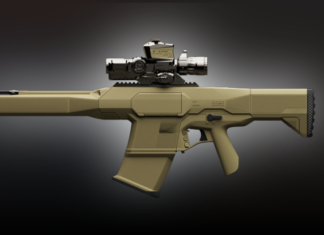
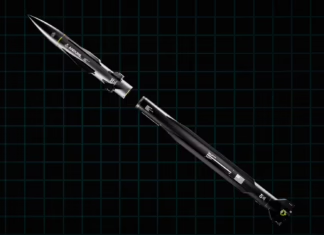
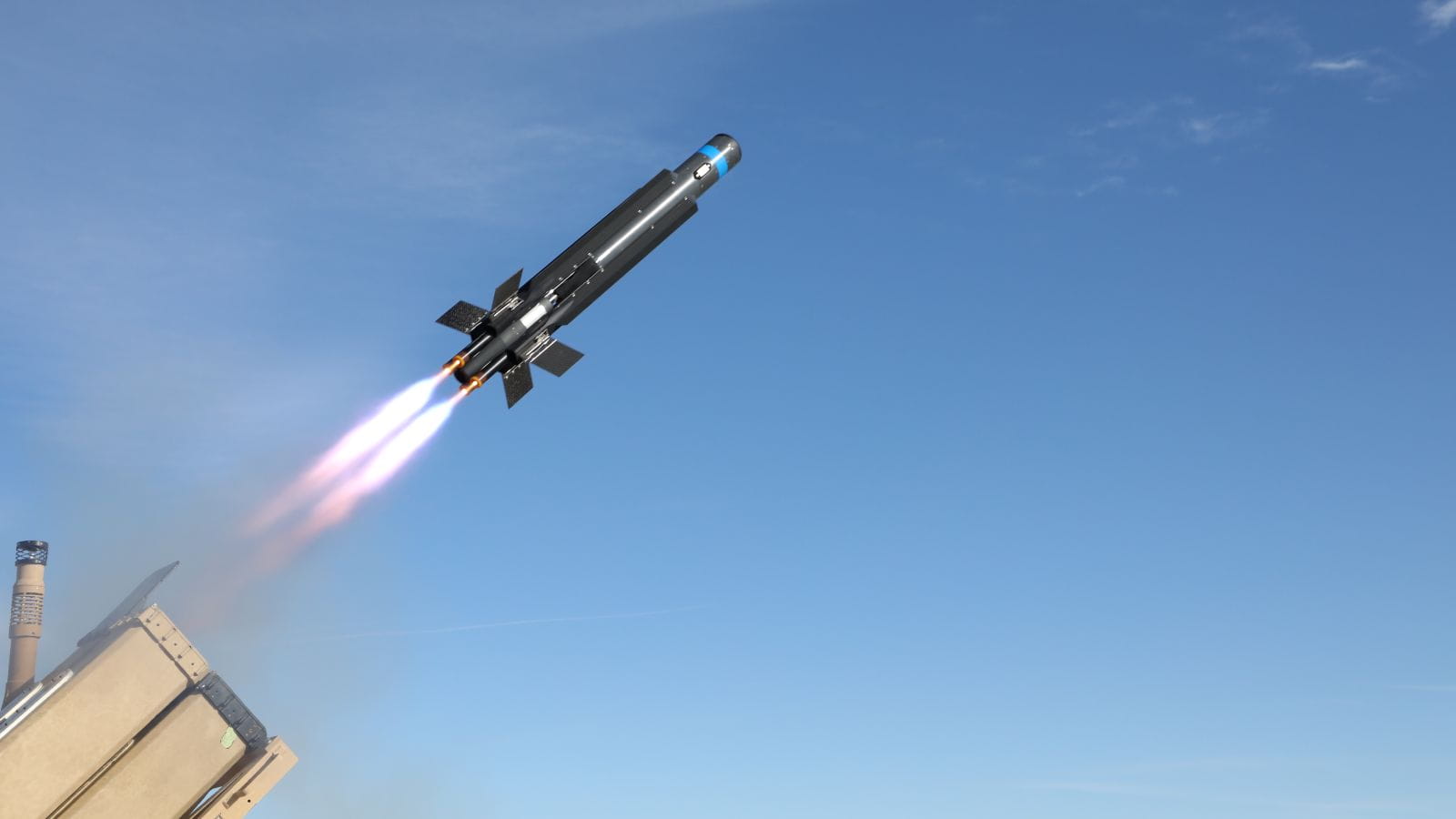
The Army is currently wrapping up competitions focused on a new fire control system and is evaluating counter-drone equipment that could be commonly carried by soldiers, Yelverton said, which follow an award last year to AV subsidiary BlueHalo for a next-generation drone-killing missile. The colonel then previewed a number of competitions coming up for fiscal 2026, which will solicit industry for unit common equipment, sensors and electronic warfare.
“We have about 12 vendors out there showing us their kit,” Yelverton said of the ongoing competition for soldier common equipment. “And if they’re all good, we’ll select all 12, because we need a lot of capability in the counter UAS [unmanned aerial systems] environment.” […]
Maj. Gen. David Stewart, the Army’s director of long-range fires and integrated air and missile defense, said that Group 3 drones occupy a vexing middle ground for soldiers due to their speed, maneuverability and size. Stewart said Monday that swarms consisting of Groups 1 and 2 drones “almost equal to that” of a Group 3 attack. According to Col. Marc Pelini, high-power microwave weapons are likely the best tool to address the swarm problem.
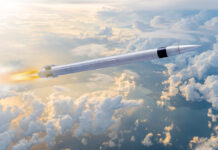
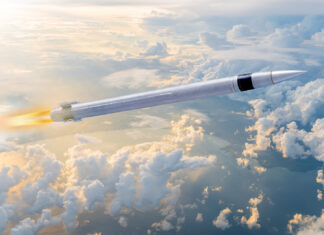
“I think that that’s probably the most economical and combat-effective approach,” said Pelini, the military deputy for the Army’s fires future capability directorate. Pelini emphasized that any microwave systems will need to be capable of hitting targets “at least a kilometer or two” away. (The Army is also testing platforms like a Coyote interceptor that could fly to drone swarms and fry their electronics.) […]
“I don’t think there’s a silver bullet that can address the full range of the threats,” Pelini said. “So you need kind of a Swiss Army Knife of effectors to completely protect yourself from an engagement perspective.”
Read more here.
Key players in the US Army’s drone defense efforts include major defense contractors such as Northrop Grumman, Lockheed Martin, and AeroVironment. The sector also features drone manufacturers like Skydio and Kratos, as well as specialized counter-UAS firms including Shield AI and DroneShield. Additional contributors to the space include RTX Corporation, Elbit Systems, and Teledyne FLIR.