
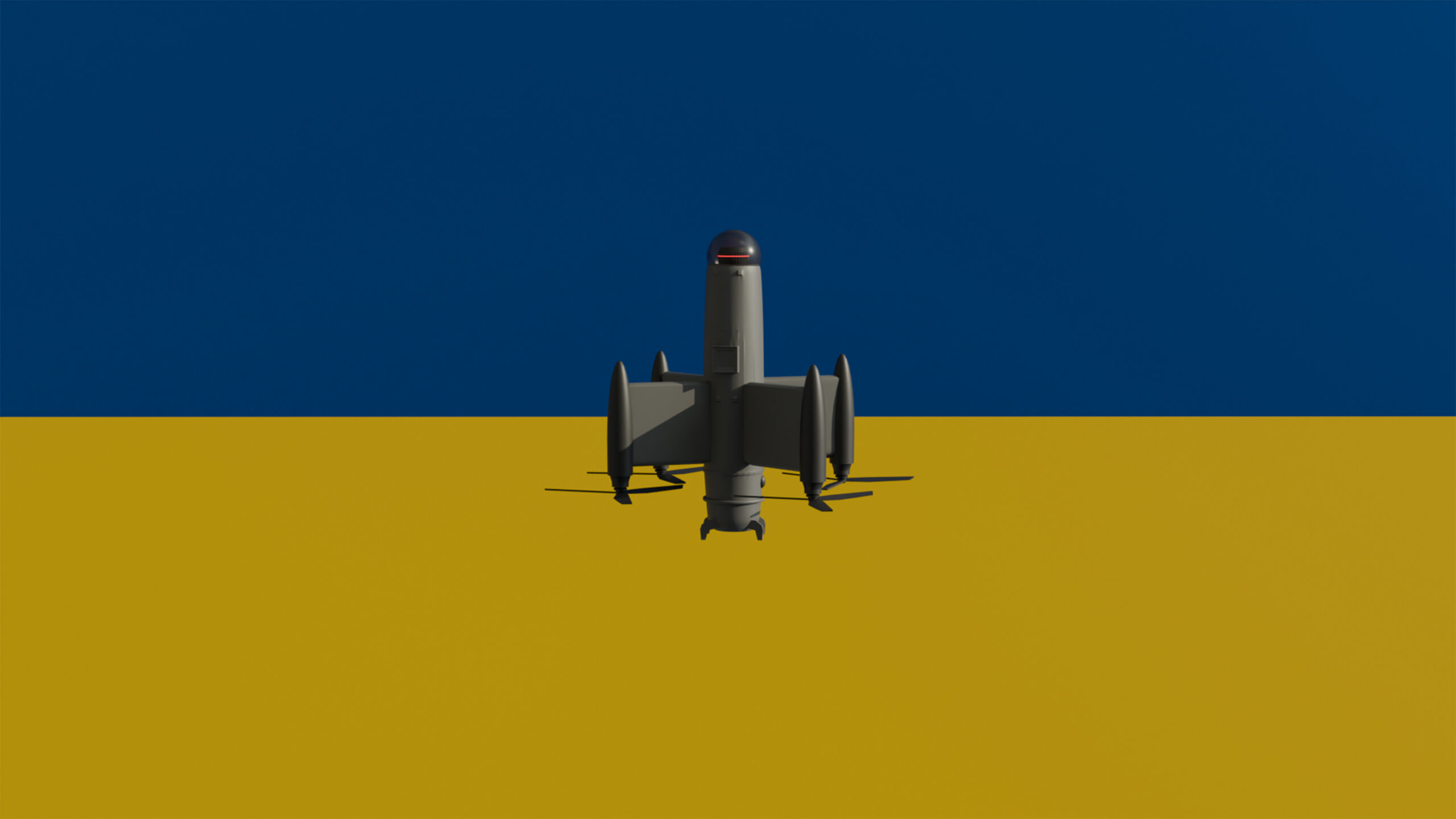
Katie Livingstone of DefenseNews explains that the Pentagon is interested in buying Ukraine’s low-cost interceptor drones, some costing as little as $1,000, after seeing their effectiveness against large waves of enemy drones. These small, fast, and mass-produced systems offer a much cheaper alternative to expensive missile defenses, helping counter the growing threat of drone warfare. Livingstone writes:
In the first week alone, the U.S. and Israel struck more than 3,000 targets across Iran while Tehran fired over 500 ballistic missiles and nearly 2,000 drones at U.S. bases and Israeli cities across 12 countries, burning through over 800 Patriot interceptor missiles in three days — more than Ukraine received from allies throughout four years of war, Ukrainian President Volodymyr Zelenskyy pointed out on Thursday.
Ukraine’s battlefield experience has shown that swarms of inexpensive interceptors can successfully defend against attacks that would otherwise drain billions in traditional air-defense systems, making them highly attractive to the US and its allies.
Key Ukrainian interceptor drone systems:
-
SkyFall P1‑SUN – A low‑cost interceptor (~$1,000 each) built on a 3D‑printed modular airframe; designed to hunt and destroy incoming Shahed‑type drones and other hostile UAVs.
-
Wild Hornets’ Sting interceptor – Combat‑proven quadcopter interceptor used extensively against Russian Shahed drones with thermal imaging and AI guidance, reportedly downing thousands of hostile UAVs.
-
Ukrspecsystems Octopus – interceptor drone licensed and produced in Ukraine and the UK, capable of autonomous target engagement and designed for all‑conditions use.


