Matthew Hennessey writes for the WSJ’s “Free Expression” column, and he claims not to be a scientist. Because of this, he wonders: does global warming typically cause bedrock to collapse?
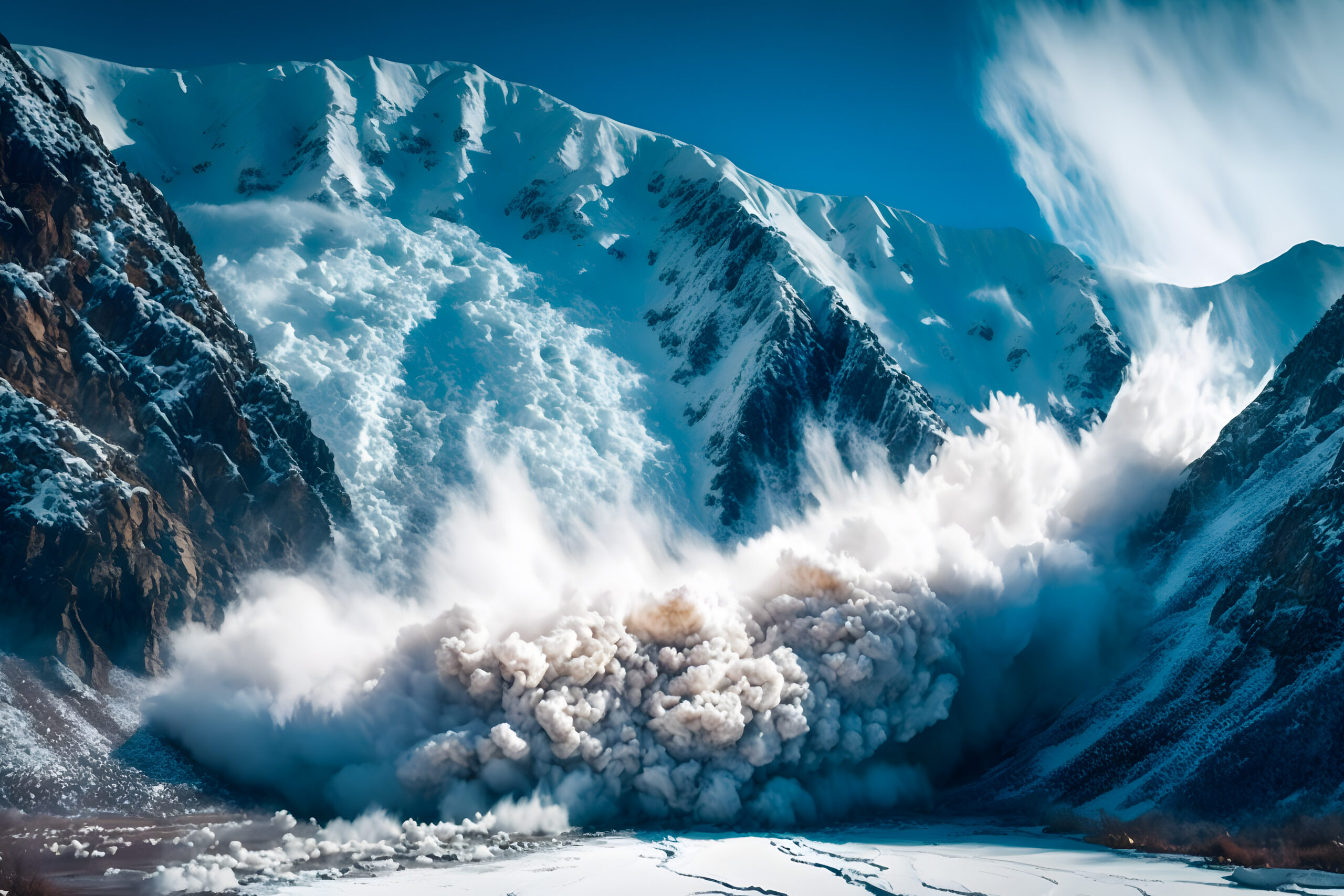
The official death toll coming in from last week’s catastrophic flash flood in China’s Tibet region and Nepal is now about 1,270. The number will rise
With more than 5,600 still missing, the death toll is sure to rise.
Across the border, however, the official toll is shockingly low – 21 deaths. And if you believe that, Mr. Hennessey has a bridge he’d like to sell you in the Sichuan province.
Beijing is behaving as it always does, readers are reminded: the world’s critical eye is now focused on China’s handling of a disaster, whether natural or manmade. Its powers are censoring aggressive reporting “and attacking anyone in the Western press who dares question the official narrative.”
The official Chinese state news agency issued a report on Aug. 31:
“In the face of tragic disasters, the Chinese side rejects malicious speculation that has no factual basis, a Chinese foreign ministry spokesperson said on Monday. Spokesperson Guo Jiakun made the remarks at a daily news briefing in response to some foreign media’s inappropriate remarks regarding the causes of the severe mudslide disaster, which occurred recently at the Gyirong-Rasuwa border crossing between China and Nepal.”
From Matthew Hennessey:
“For suggesting that “inappropriate remarks” and speculation, malicious or otherwise, could be avoided by opening up Tibet ASAP to the international press, your humble correspondent was subjected this week to a flurry of social-media inquiries about his weight and intelligence.
You guys are too funny. Keep the cards and letters coming.”
What if instead you were focused on the Lindsay Clancy trial or the U.S. Open?
You likely got the point. “Climate Change Kills Again.”
Now hang on a moment, says Mr. Hennessey. What do we have here?
A nifty “visual analysis” on the New York Times website features testimony from a geomorphologist and a mountain hydrologist that the collapse happened in the bedrock.
In the bedrock, you say? You mean that hard layer of solid rock that lies beneath the earth’s surface? Golly.
So it wasn’t, as the early reports suggested, a simple matter of a giant, teetering iceberg breaking off and falling down the mountain.
Times journalists Raj Saha and Jeremy White can’t completely let go of the preferred explanation. As their subhed says, “glacier meltwater and a thawing permafrost could have contributed to destabilizing the rock” (emphasis mine). But the mountain broke first, bringing the glacier down on top of it. Fascinating.
Don’t readers wonder, Mr. Hennessey, have a natural next question,
“What caused the mountain to break?”