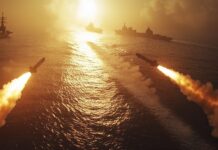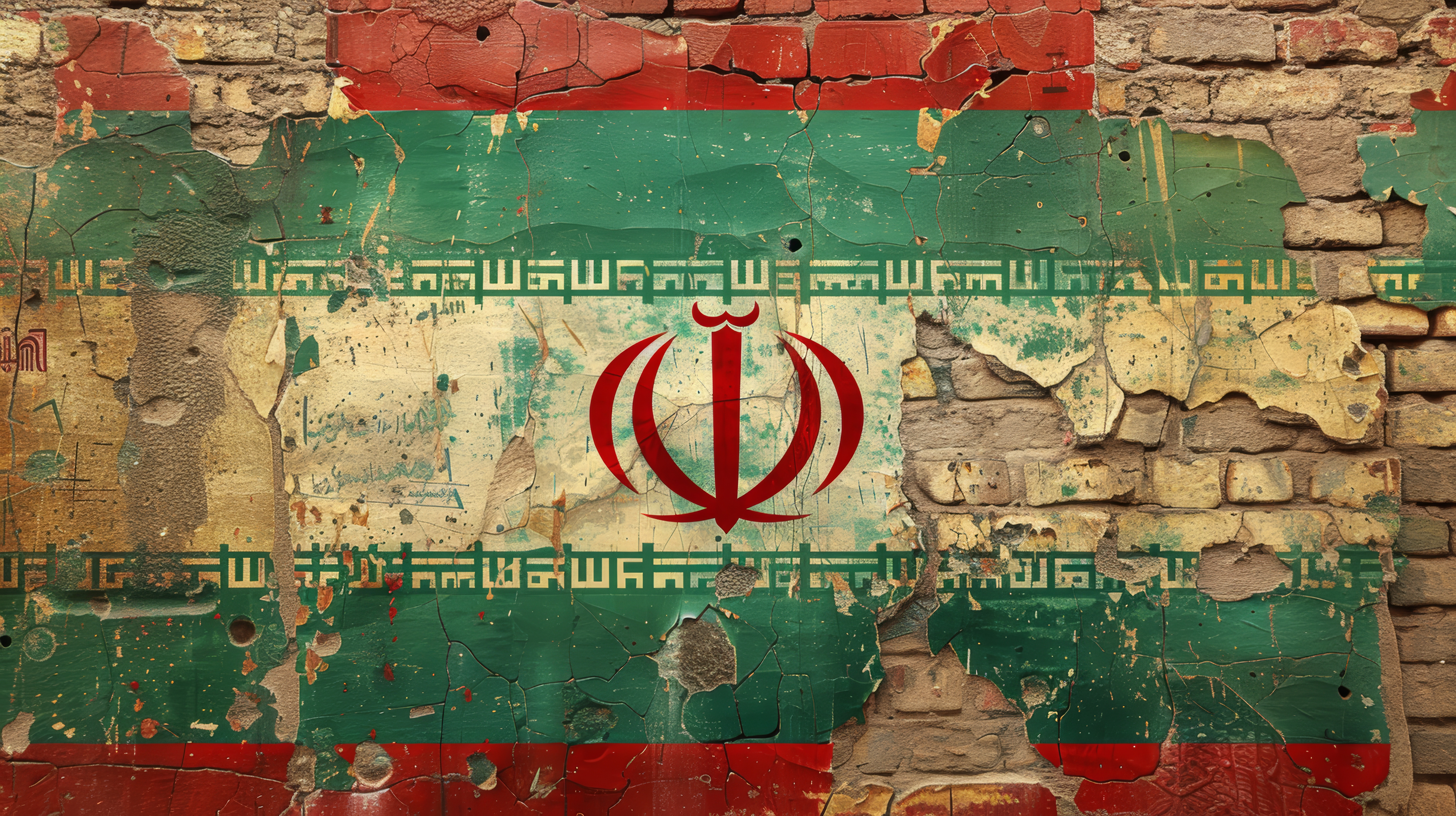
In August, Iran reactivated a wartime-style Defense Council and reappointed veteran insider Ali Larijani as secretary of the Supreme National Security Council, signaling a strategic reshuffle amid growing internal and external pressure, according to The National Interest. While framed as preparation for future conflict after the recent 12-Day War with Israel, Larijani is also tasked with addressing domestic unrest and reconnecting with Iran’s disillusioned youth. But critics say these moves amount to surface-level change in a regime struggling to maintain control amid economic, environmental, and political challenges. They write:
What’s old is new again in Iran. Over the course of just one week in August, the Islamic Republic established a new body dubbed the Defense Council, echoing a similarly named entity from the Iran-Iraq War (1980–1988). Overseen and established by the Supreme National Security Council (SNSC) per Article 176 of the Constitution, the Defense Council is already being framed as a “war cabinet” in Iranian media.
That same week, Iran also played musical chairs and re-appointed veteran politician Ali Larijani as both SNSC secretary and representative of the country’s Supreme Leader to the body. Larijani previously served as SNSC secretary from 2005 to 2007 in this role. […]
But if press reports are to be believed, Larijani’s role will not remain confined to foreign policy. The Islamic Republic faces just as many challenges at home as it does abroad. An Iranian outlet linked to the SNSC reported that among the tasks expected of Larijani in this space are “changing the discourse of national security” and “institutionalizing strategic dialogue with the younger generation.”
This is a tall order for such a deeply unpopular regime. Khamenei would never grant an SNSC secretary sufficient autonomy to address these concerns independently. For nearly a decade, an increasingly underserved and repressed populace has moved from seeking political reform to coveting wholesale change through youth-led street protests. […]
Although nationwide protests did not erupt during the 12-Day War as Israeli officials hoped, domestic political discord and mounting economic and environmental challenges could still entrap the regime in a lose-lose pincer if foreign pressure resumes.
Read more here.