Goodwill Industries? In the WSJ, Andy Kessler tells readers about Goodwill Industries and its role in society.
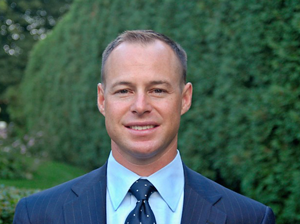
Steven Preston, president and CEO of Goodwill Industries, explains to Mr. Kessler how they help many.
Start at the Beginning
Goodwill was founded in 1902 by a Methodist Minister and his wife after they visited ” the poorest part of Boston
Its original mission was “to help every individual develop to their fullest potential.”
Mr. Preston sums up Goodwill’s original mission: “to help every individual develop to their fullest potential.” It was founded in 1902 after a Methodist minister and his wife were sent on a mission to the poorest part of Boston. “They started knocking on people’s doors to ask for clothing so they could give clothing to the poor,” Mr. Preston says. “And then they had this epiphany: ‘Wait, I could clean this clothing, repair it, sell it, turn it into an enterprise and give these people jobs so that they weren’t taking handouts. I could help them develop job skills.’ ”
Give Them Job Skills
“They started knocking on people’s doors to ask for clothing so they could give clothing to the poor,” Mr. Preston says.
“And then they had this epiphany: ‘Wait, I could clean this clothing, repair it, sell it, turn it into an enterprise and give these people jobs so that they weren’t taking handouts. I could help them develop job skills.’ ”
Since its founding, Mr. Preston says, “we’ve pivoted away from just being hands and feet for people in that place of need, to helping people with self-sufficiency and economic mobility to take care of themselves.”
The mission has not changed, but it sure has grown.
If you are like Mr. Kessler, you’re thinking Goodwill is where your mother made you drop off old clothing and battered furniture.
“People come out of prison with no money, no job, not always into a good community. Our re-entry program has a 5% recidivism rate—astoundingly low,” in the WSJ, Steven Preston, president and CEO of Goodwill Industries, told me about how they help former prisoners.
Mr. Preston says. “Stores threw off nearly a quarter of a billion dollars of profits to fund job centers”—about 650 of them, which are separate facilities. Another $830 million comes from corporate support, government programs, and philanthropy. One of its prison re-entry programs receives funds from the Labor Department.
Mr. Kessler has his own story:
“When I first met Mr. Preston at a conference, National Football League player Damar Hamlin joined the conversation, saying: “Growing up, Goodwill wasn’t just a place for help, it was a lifeline. My mom would always send me there when things were tough. Thank you.” Mr. Preston started to respond, and Mr. Hamlin interrupted: “Can we just hug it out?” Very emotional.”
“Mr. Preston sums it up,” writes the Journal.
The idea of seeing the dignity and potential of every human being, and helping them realize that for a better future, has always been what we do.” So should we all.