
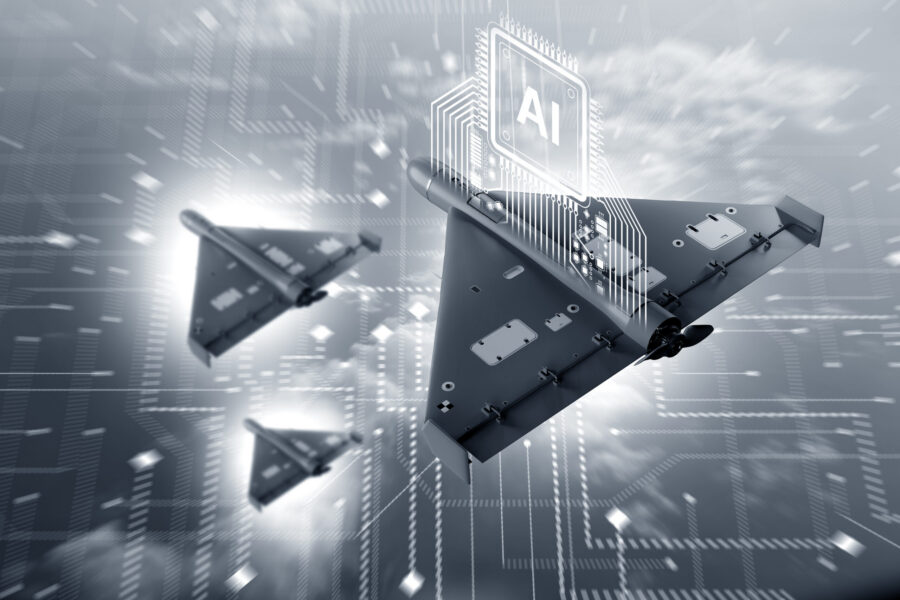
The rapidly changing tactics and abilities exposed by the wars between Russia and Ukraine and, to a lesser extent, between the United States/Israel and Iran, are forcing war planners to ask themselves, “What now?” The Wall Street Journal reports:
In defense ministries and military headquarters around the world, everyone is paying attention—and trying to figure out what lessons to draw.
“The character of warfare is changing fundamentally,” said Gen. Carsten Breuer, Germany’s chief of defense. “Armed forces must be able to adapt faster, integrate new technologies, and learn at speed. If we fail to adapt, we will not be able to prevail.”
His Dutch counterpart, Gen. Onno Eichelsheim, sounded a similar alarm. “Technology will change quite fast when you are at war,” he said. “If we do not change ourselves, to adaptability and flexibility, then we will lose the first weeks of the war, too much ground and too many people—and then we will adapt, but it will be too late.”
Military leaders, governments and defense companies disagree on whether to call the current developments a revolution that warrants a complete overhaul of existing doctrines.
“Revolutions in warfare are often declared but rarely arrive. Most military developments, like the current trends in the use of drones and precision strikes, are evolutionary,” said Michael Kofman, a senior fellow at the Carnegie Endowment in Washington. “Nobody doubts the impact of gunpowder, but it was on the battlefield for hundreds of years, alongside knights and pikemen.”
Read more here.


