 As ceasefire talks gain momentum, analysts argue that Russia’s apparent openness to negotiations reflects not only Ukraine’s growing strains but also mounting pressures inside Russia itself. Drawing parallels with past failed Russian imperial wars, the analysis suggests that while Moscow has adapted militarily and economically, the prolonged conflict is exacerbating structural weaknesses, including demographic decline and economic stagnation, as well as elite infighting and overreliance on China. Even if a ceasefire is reached, Russia is likely to emerge poorer, weaker, and politically strained, with long-term instability risks that challenge the Kremlin’s claim that time is firmly on its side, reports Jeffrey Mankoff of War on the Rocks. He writes:
Since the release of the U.S. 28-point draft peace plan in late November, many officials and observers have suggested that a ceasefire in Ukraine may be on the horizon. Undergirding this view is a growing consensus that Ukraine is losing the war as its troops cede territory and its economy and political order come under increasing strain. […]
Lost amid these Ukrainian setbacks is the fact that for the first time since the spring of 2022, Russia too appears interested in substantive negotiations — even if it has so far not shown much evidence of walking back from its maximalist demands. That willingness suggests that while Moscow has managed thus far to maintain the upper hand on the battlefield, the political, social, and economic difficulties it faces are also building, and — with them — the risks that the war poses to Russian political and social stability. […]
To understand the strains that the invasion is placing on Russia, it is useful to compare the invasion of Ukraine with earlier examples of Russian imperial wars. While Putin constantly connects his war in Ukraine to the historical memory of World War II, Russia’s ongoing invasion of Ukraine more closely resembles failed Russian imperial wars of the past. […]
In all these earlier cases, hubris led Russian leaders to attack a smaller foe while ignoring the likely international implications and Russia’s own vulnerabilities. Putin’s Russia today finds itself in a similar position. The Kremlin dramatically underestimated Ukraine’s political resilience and military capability. Expecting Kyiv to capitulate in a matter of days, the Kremlin now faces a fourth year of grinding trench warfare in eastern Ukraine. […]
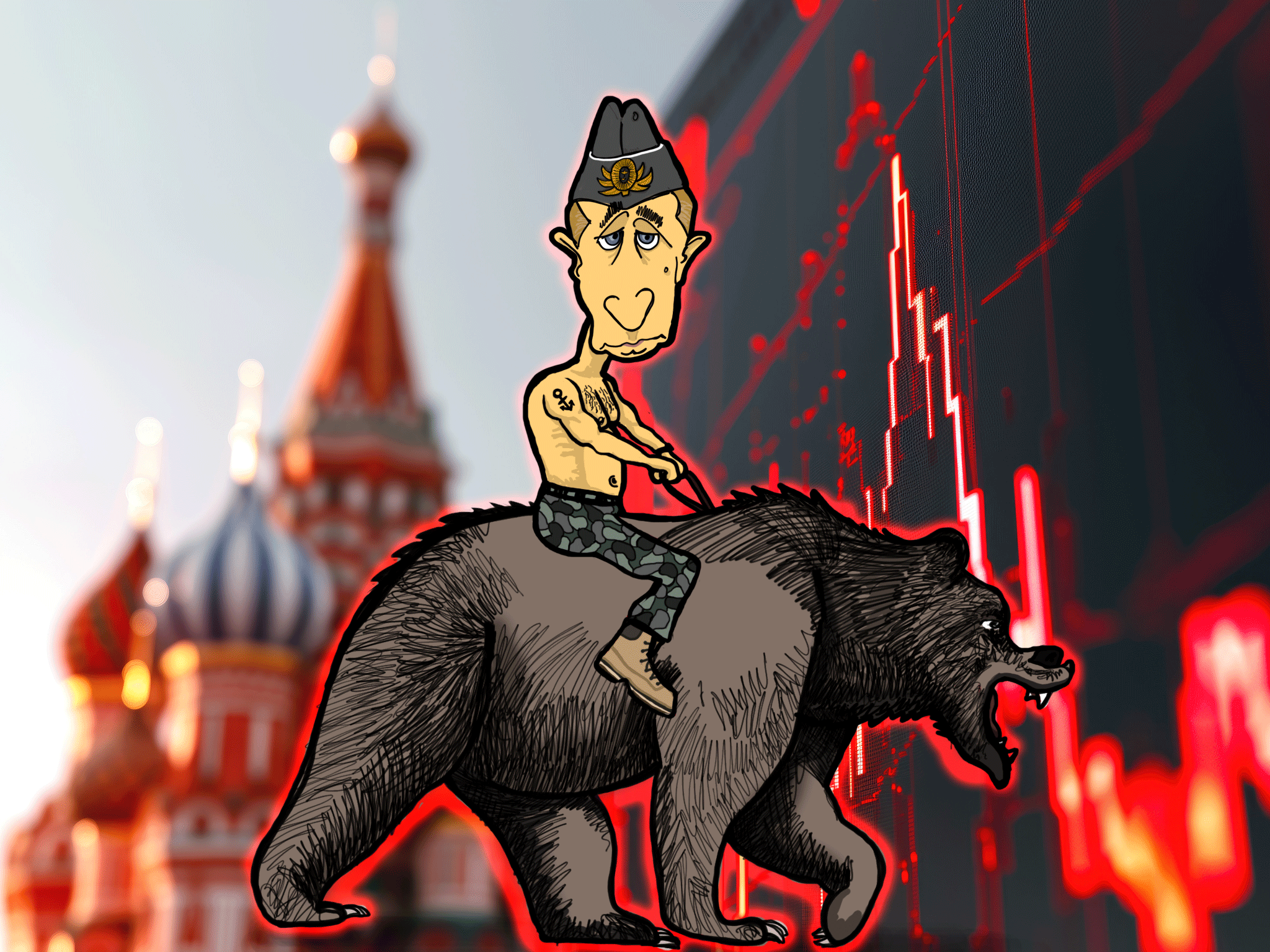
Sberbank CEO German Gref claims economic growth has fallen to zero (though official figures remain slightly positive) despite the Kremlin spending more than 7 percent of GDP on defense this year. Bankruptcies are rising. The Moscow Stock Exchange has lost more than 40 percent of its value so far this year. By the end of August, the 2025 budget deficit had already exceeded $49 billion. […]
As much as Putin portrays the conflict in Ukraine through the lens of World War II, it is modern Russia’s history of failed imperial wars — from Crimea to Afghanistan — that provides the best template for understanding how Putin’s Ukrainian misadventure could end.
Read more here.