
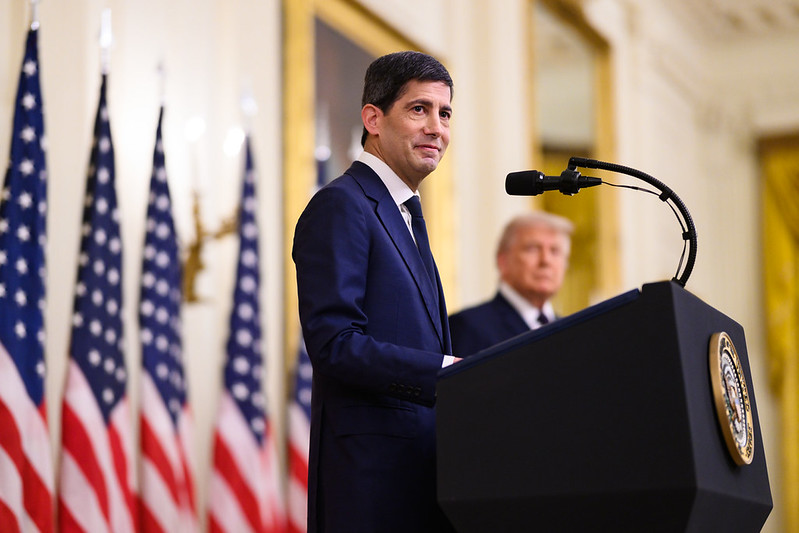
To put it plainly at the outset, the best reform idea for the Federal Reserve is to End the Fed. But if the Fed is to remain, there are a number of ways to make it better. The Cato Institute’s Jai Kedia and Norbert J. Michel discuss some of those options in light of the recent appointment of Kevin Warsh as the new Fed Chair. Warsh has explained that he wants to make big changes at the Fed. Kedia and Michel write:
Kevin Warsh was sworn in as the new Federal Reserve chair today. He has described his goal as “regime change,” and that’s a great goal. Since the COVID-19 pandemic, the Fed has failed time and again to bring inflation back down to its 2 percent target. Consumers have suffered as a result, and affordability is now the chief political concern for the electorate. The Fed’s balance sheet has remained bloated ever since the 2008 crisis-era programs, and its institutional footprint has grown too large. Warsh’s instincts are right on each of these issues. This post presents five concrete proposals—drawn from Cato’s Reforming the Federal Reserve series—that would help Warsh achieve his regime change.
Their ideas:
- Reopen the monetary policy framework review.
- Shrink the balance sheet and constrain future expansions.
- End interest on reserves.
- Commit to rules-based monetary policy.
- Plan for fiscal dominance.
They conclude:
A rare opportunity now exists for achieving major monetary policy improvements. The incoming Fed chair wants regime change; Congress is increasingly interested in Fed accountability; and the American public has lived through years of failed monetary stewardship. Implementing the reforms listed here will support Warsh in a successful Fed chairmanship.
Read more here.


