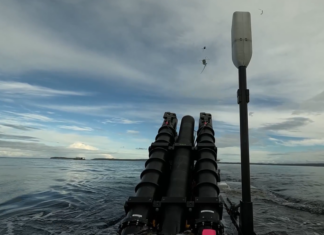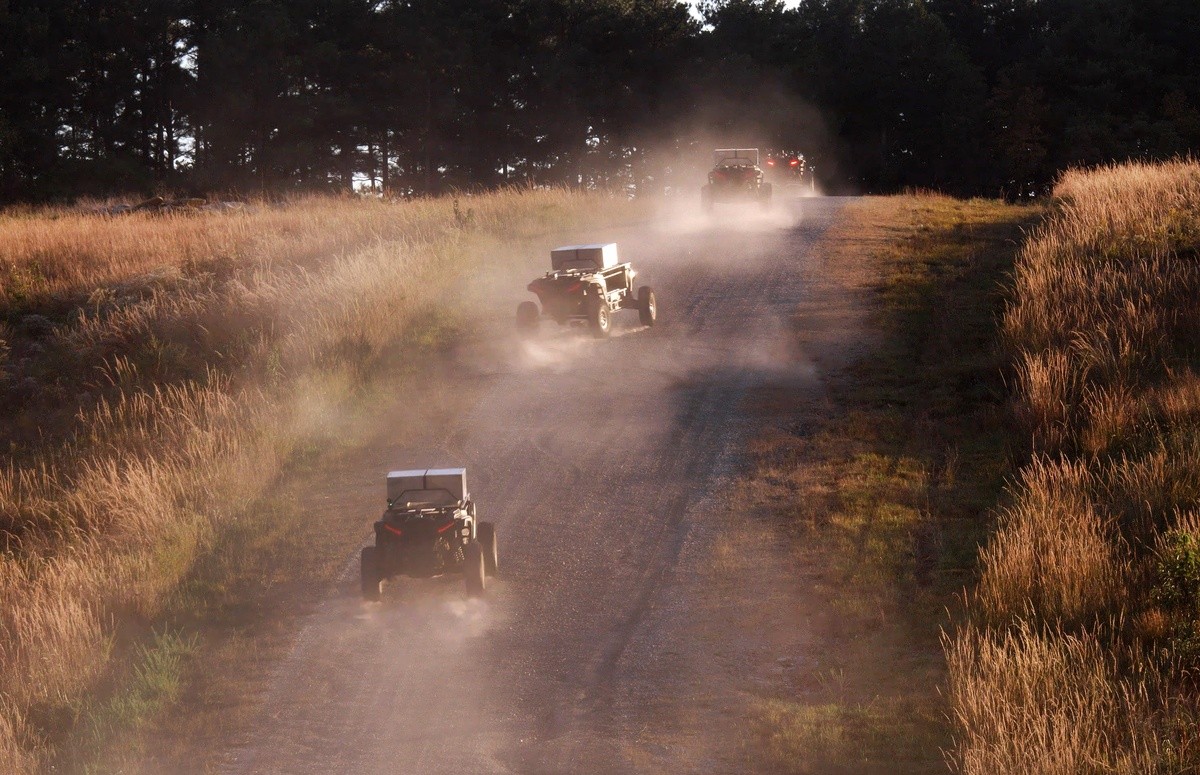
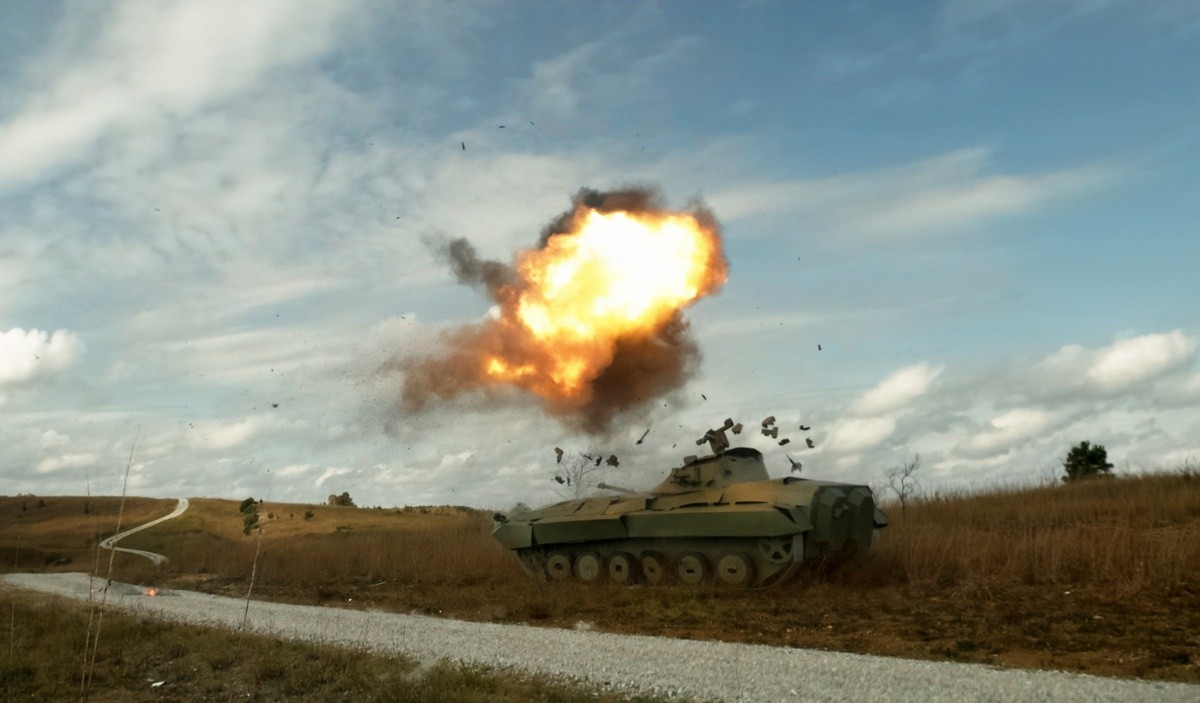
DARPA demonstrated four autonomous unmanned ground vehicles at Fort Knox, Kentucky, on Oct. 15, showcasing technology developed under its Robotic Autonomy in Complex Environments with Resiliency (RACER) program. The vehicles independently navigated difficult terrain, coordinated their movements, and detected and tracked simulated enemy targets. The demonstration combined autonomous mobility with kinetic and non-kinetic payloads, including Anduril’s one-way attack platforms integrated onto Overland AI’s ground vehicles.
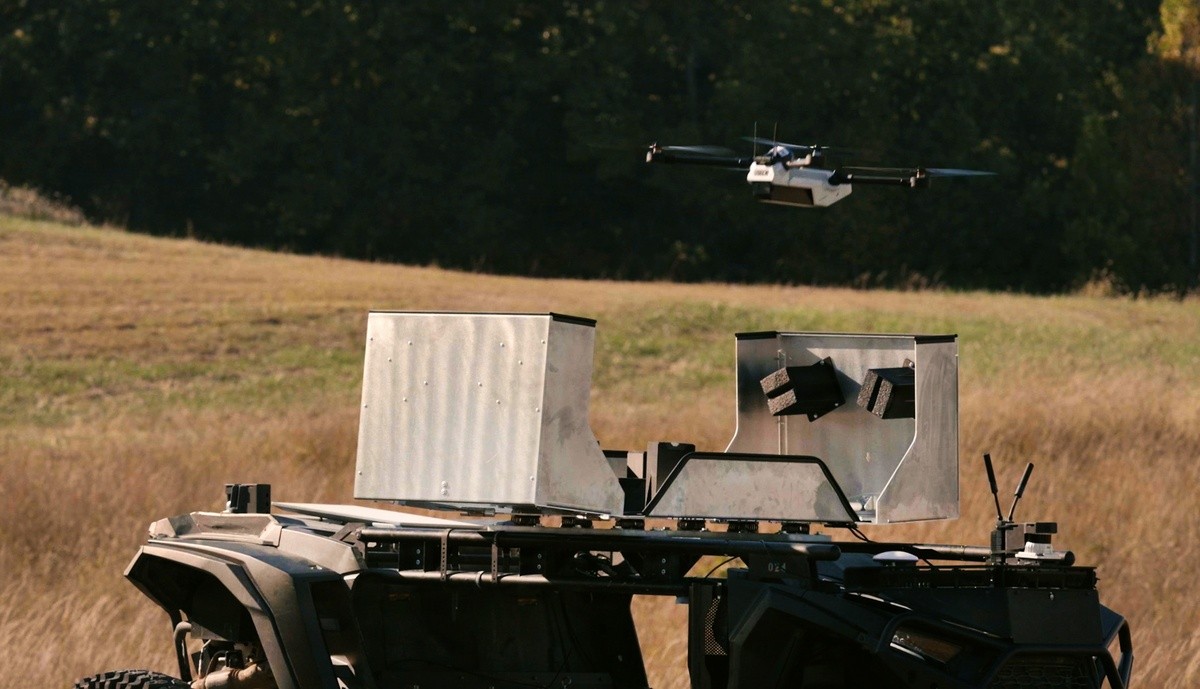
The system enables robotic vehicles to conduct reconnaissance and identify potential threats while maintaining human control over engagement decisions. Using satellite imagery, an operator tasked the vehicles to search designated areas, with onboard sensors detecting potential targets and transmitting information to a human supervisor for approval. Although movement, surveillance, and target detection were autonomous, the vehicles could not engage targets without human authorization. DARPA described the exercise as its first demonstration integrating the process from satellite imagery through tactical ground operations.
The RACER program aims to improve the speed, resilience, and adaptability of autonomous ground systems for military operations. Beyond reconnaissance and combat support, the platforms could potentially support logistics, ammunition and supply transport, and casualty evacuation. The demonstration was conducted with potential applications for U.S. European Command in mind, including detecting threats beyond the forward line of troops. DARPA plans to gather feedback from soldiers in December to help evaluate operational requirements and guide future development.