Originally posted June 8, 2026.
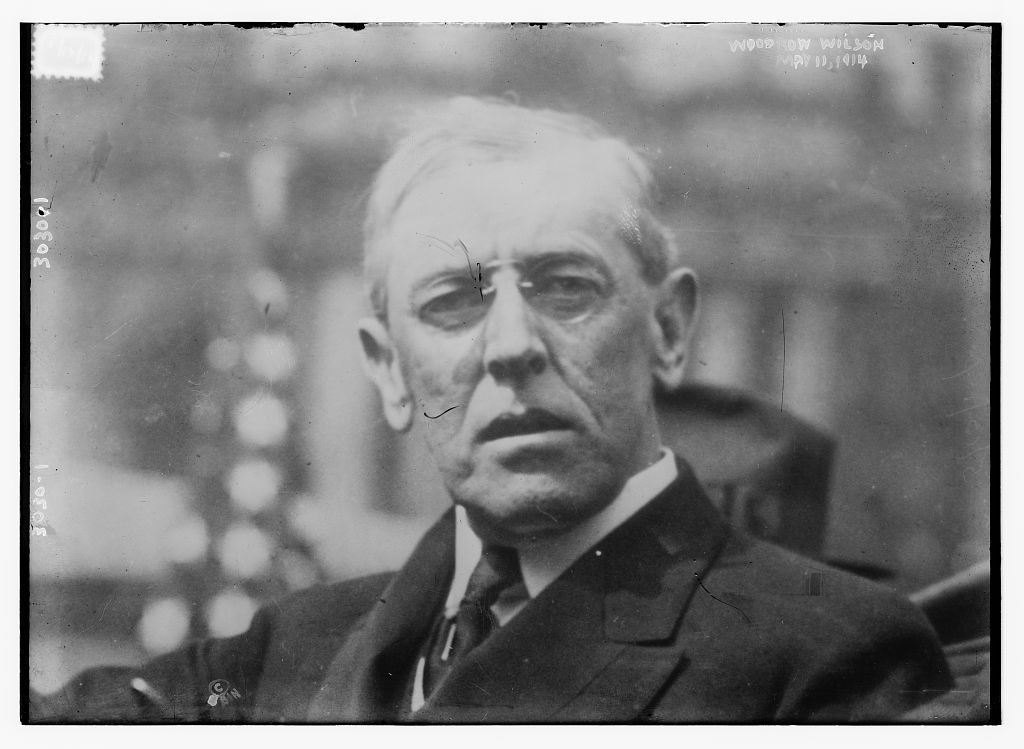
America is nearing the 250th anniversary of the signing of the Declaration of Independence, and at American Greatness, Jon Fleischman reminds readers that progressivism, as initiated by Woodrow Wilson, has encouraged generations of leaders to “govern against” the premises of America.
Fleischman first recalls the words of Justice Clarence Thomas, who wrote, “Since Wilson’s presidency, progressivism has made many inroads into our system of government and our way of life. It has coexisted uneasily with the principles of the Declaration. Because it is opposed to those principles, it is not possible for the two to coexist forever.”
What Americans got when they voted for Woodrow Wilson was, according to Fleischman:
a man whose toxic blend of intellectual arrogance, racial prejudice, and authoritarian instincts inflicted wounds on this country that we are still trying to heal.
A Different View of Government’s Mission
While the Founders believed the government existed to protect individual liberty via restrained powers, Wilson, Fleischman writes, believed government’s power should “evolve and expand as society “progressed,” guided by experts rather than limited by constitutional barriers.”
Wilson’s Dangerous “Reforms”
Fleischman notes Wilson’s “reforms” that have become burdens on Americans, including the Federal Reserve, the income tax, and the FTC. He writes:
Many of Wilson’s domestic policies were sold as reforms that would help Americans. The Federal Reserve was supposed to prevent financial panics. The income tax was meant to make the wealthy pay their fair share. The Federal Trade Commission would protect consumers from abusive business practices.
The Wilson Warning
Woodrow Wilson was a warning about the abuse of unchecked executive power. Fleischman concludes:
But Wilson’s real legacy is not found mainly in his specific policies, many of which have since been modified or abandoned. It lies in the model of presidential and administrative power he advanced, the belief that smart, well-intentioned people in Washington can and should reshape American society from the top down. In that sense, Wilson was not just a man of his time. He helped create the governing philosophy that still shapes modern progressivism: faith in experts, impatience with constitutional limits, and a tendency to treat executive action as a substitute for the hard work of persuasion and compromise.