At a recent press conference, President Trump’s claim that peace in Ukraine was “90–95 percent achieved” and that “Russia wants Ukraine to succeed” drew skepticism. In contrast, Kazakhstan’s President Tokayev offers a grounded perspective, highlighting that Russia’s actions are driven by autocratic self-interest, aggressive nationalism, and the pursuit of perceived greatness through military victories. The war in Ukraine has strained Russia economically, demographically, and militarily, but Moscow remains capable of subversive operations, reports Adam Dixon of The National Interest. Kazakhstan, with historical parallels to Ukraine and vast strategic resources, faces potential risk if Putin seeks a more attainable target, while balancing relations with China and pursuing multi-vector diplomacy to reduce dependence on Russia. Tokayev’s approach reflects cautious realism amid a volatile geopolitical landscape dominated by Russian assertiveness and nationalist ambitions. Dixon writes:
The claim at the recent press conference with President Donald Trump and Ukrainian president Volodymyr Zelensky that peace in the Ukraine War had now been “90–95 percent achieved” struck objective analysts as already wishful thinking. However, President Trump then rocketed into the stratosphere of surreal nonsense by stating repeatedly that “Russia wants Ukraine to succeed.”
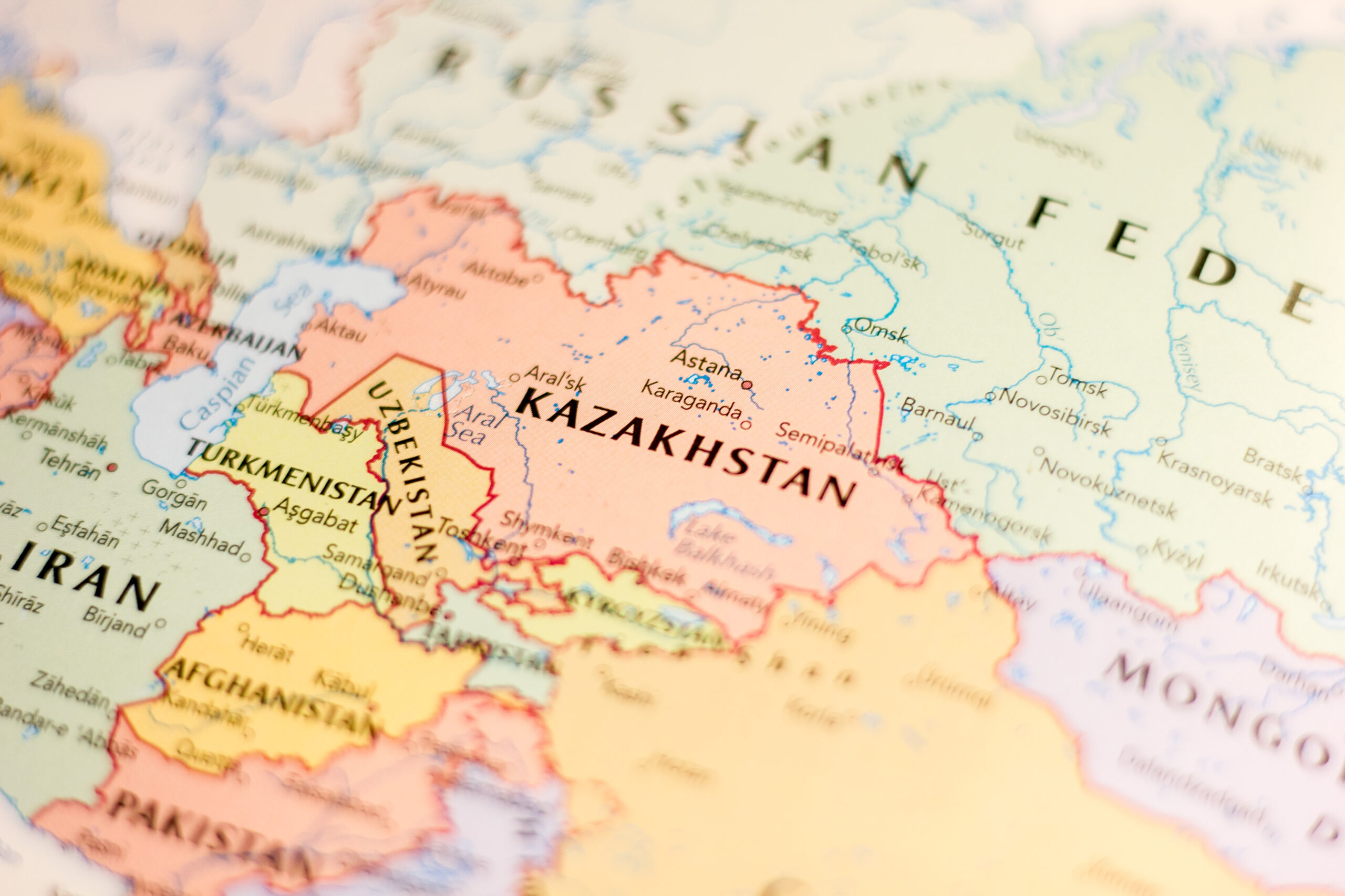
In contrast to the pro-Russia voices in the White House, President Kassym-Jomaert Tokayev of Kazakhstan is one observer whose feet are firmly on the ground. He understands the political, ideological, and economic realities with which the Kremlin is dealing. Tokayev is keenly aware that these realities could have a direct impact on the future of his country, because some of the reasons Russian president Vladimir Putin cited for launching the Ukrainian war could also apply to Kazakhstan. […]
The Kremlin anticipated that the West, cowardly and impotent, would merely watch, shrug glumly, and return to “business as usual.” Had Russia attempted to seize Ukraine back in 2014, it might have succeeded militarily at least in the short term. Yet by 2022, Ukraine, with the help of Western military cooperation, had become a different nut and had surprised the world by refusing to crack.
Kazakhstan understands further that these three realities have created several serious problems.
First, Putin’s personal fate depends on avoiding a perceived defeat and on satisfying nationalist fervor to assert de facto control over most of the territories of the imperial and Soviet past.
Second, Russia has been shifted into a war economy that cannot return to a focus on civilian consumers.
Third, an army of roughly 1.2 million men, many of them stunted from birth by the blight and neglect of rural poverty, and now further ravaged by the severe and inescapable psychological damage of modern warfare, cannot easily return home as “triumphant heroes.” […]
Read more here.