
Increasingly, South American countries are choosing their leaders from right-wing political parties. Amelia Lester writes in Foreign Policy:
Many countries in Latin America have shifted to the right in recent elections: Argentina, Chile, Bolivia, Ecuador, El Salvador, and Honduras. Colombia could be next. After a vote on Sunday failed to produce an overall winner, the presidential election will go to a runoff between ideological opposites on June 21.
Chilean President José Antonio Kast is one of Latin America’s newly minted right-wing leaders. On Tuesday, around 80 days into his administration, Kast will deliver his first annual Cuenta Pública (Public Account) address. He is expected to emphasize the tough-on-crime plan that was a pillar of his campaign.
Kast has leaned into a sense of insecurity among Chileans, Michael Albertus wrote last year, and his authoritarian tendencies could set Chile on a path “uncharted since its return to democracy.”
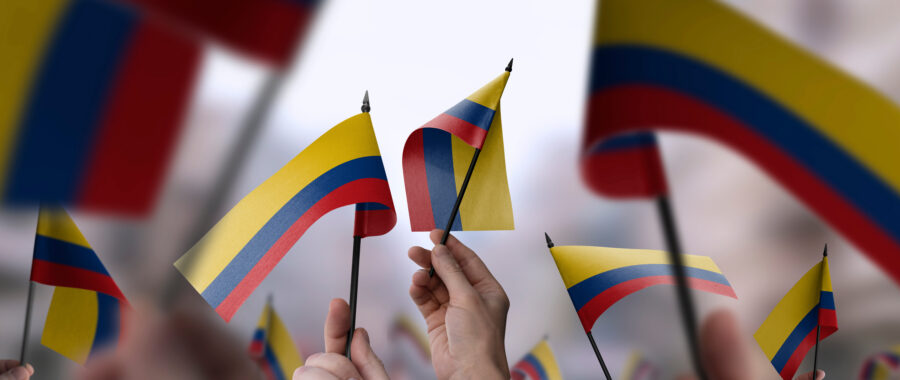
In Colombia, the race is deadlocked between a leftist endorsed by President Gustavo Petro and a right-wing challenger who dubs himself “El Tigre.” Whichever candidate prevails, Colombians have made their discontent with electoral politics clear. Maybe that ennui, rather than the rise of strongmen, is the more novel trend to watch—and the more enduring.
“We’ve moved way beyond the old ideological division between right versus left,” FP columnist Michael Hirsh wrote in 2024. The observation, in a review of Fareed Zakaria’s most recent book, was about the United States; the global resonance is unmistakable.
Read more here.
A video of El Tigre supporters at the El Cacique Shopping Center in Bucaramanga, Colombia.
🇨🇴 En Bucaramanga, Colombia en el Centro Comercial El Cacique los patriotas están Firme con el tigre 🐅 Abelardo De La Espriella. 🔥 pic.twitter.com/HFPAZtVBA0
— Eduardo Menoni (@eduardomenoni) June 7, 2026


