At the Cato Institute, Dominik Lett explains that the One Big Beautiful Bill does a great job of adding to the deficit. He writes:
By every account, the One Big Beautiful Bill (OBBBA) does a wonderful job of adding to the deficit. Per the latest Congressional Budget Office (CBO) estimate, the Senate bill adds $3.4 trillion to the deficit over 10 years on a current law basis, assuming provisions expire as scheduled. Including interest, the price tag rises to $4 trillion.
The OBBBA also packs budget gimmicks that mask its true cost. The bill schedules various tax giveaways, such as no tax on tips and no tax on overtime, and other spending increases to expire early in the ten-year window, making them appear cheaper on its face. Future Congresses will almost certainly be tempted to extend these provisions. Making them permanent would raise the ten-year cost to about $5.4 trillion, interest included. The Senate deploys a bespoke gimmick baseline to hide this actual cost, preferentially selecting different scoring baselines depending on the provision at hand as needed.
Contrary to claims that the bill pays for itself, independent modelers who fully accounted for both positive growth effects and debt drag found that the House version widened deficits more on a dynamic basis than on a conventional one. While the Senate version includes some pro-growth improvements to the House version, such as permanent full expensing, it also adds hundreds of billions in new subsidies in the form of additional tax giveaways and spending pork.
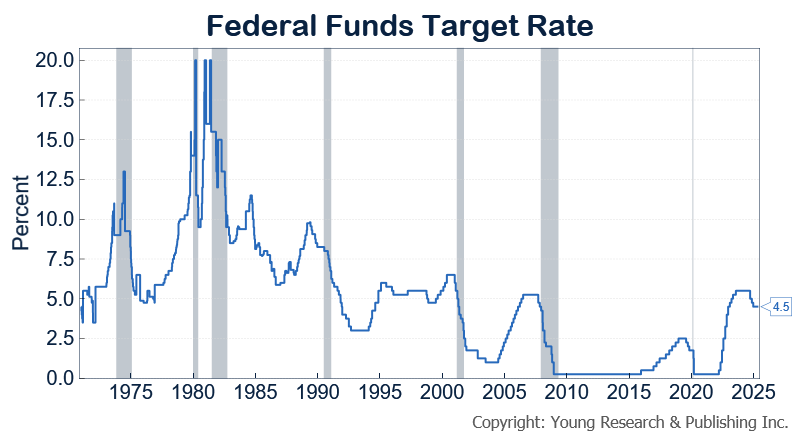
At best, macroeconomic gains might trim the final cost by a few hundred billion. Under less optimistic assumptions, higher interest costs swamp any new revenue from higher growth. Given recent credit downgrades, high interest rates, and a worsening fiscal outlook, doubling down on deficit spending would be reckless.
Costs climb further when you consider the fiscal effects of financing a mass deportation campaign. As Cato’s David Bier explains, the CBO has previously estimated that the 8.7‑million-person surge in illegal immigrants, asylum seekers, and parolees under the Biden administration will reduce the deficit by $897 billion over 10 years. If Congress funds aggressive enforcement that lets the president deport millions, hasten voluntary exits, and slow legal immigration, the debt could jump another $900 billion—double that if Congress makes the OBBBA’s spending boosts permanent.
Bottom line: Accounting for realistic economic growth, interest rates, Congressional profligacy, and the administration’s immigration policy, the bill’s 10-year cost could soar past $6 trillion. And despite the bill containing nearly $1.5 trillion in gross spending cuts, total spending in 2035 under such a scenario would actually increase by hundreds of billions compared to baseline, almost entirely due to resulting interest costs. Congress is putting the nation on a fast track to a debt spiral.
Read more here.
If you’re willing to fight for Main Street America, click here to sign up for my free weekly email.