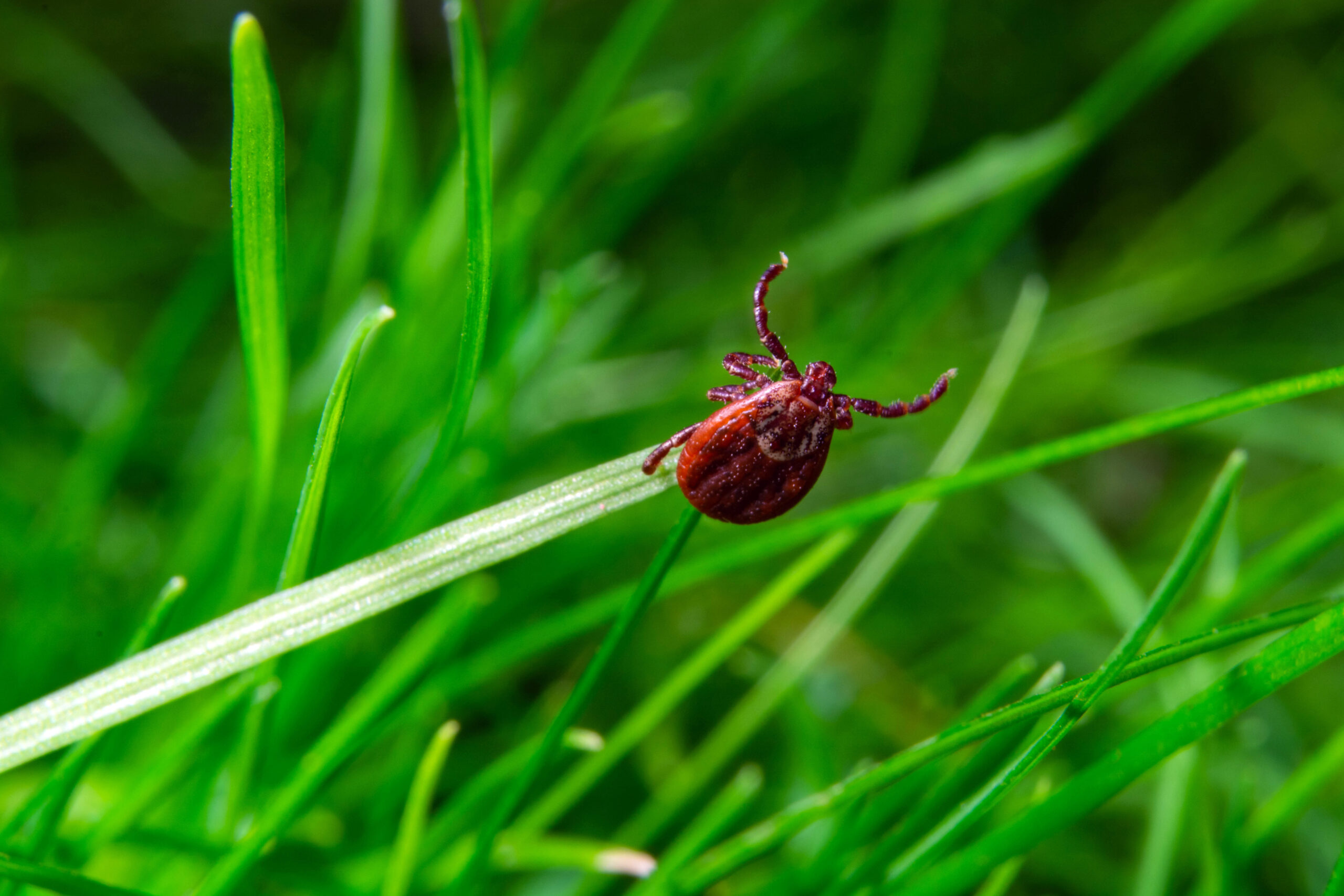
After decades of denial by the medical community, chronic Lyme disease is getting recognition, and sufferers are hoping for relief. The Wall Street Journal’s Brianna Abbott reports:
Long contentious, chronic Lyme, as it is called by patient advocates, has gained more acknowledgment and investment by researchers after Covid-19 showcased how an infection can leave people with lingering symptoms that last months or longer. The virus’s aftermath looked strikingly similar to what some Lyme disease patients had been describing for years.
“People had a real-life illustration of how an infection triggers a syndrome,” said Dr. John Aucott, director of the Johns Hopkins Lyme Disease Clinical Research Center, who has studied the condition for two decades. “That helped a lot with acceptance.”
Health officials often call it Post-Treatment Lyme Disease Syndrome, defined as having prolonged symptoms such as persistent fatigue and pain for at least six months after a treated Lyme infection. A 2022 study published by Aucott found that 14% of early diagnosed and treated Lyme patients they followed met the criteria. As a comparison, the team also tracked people without a history of prior infection, and 4% of them had similar symptoms.
“Frankly, our work has shown that it’s real,” Aucott said.
At PubMed, authors of the study explain:
Results: In total, 13·7% of participants with a history of prior LD met criteria for PTLD compared with 4·1% of those without a history of prior LD. Participants with prior LD were approximately 5·28 times as likely to meet PTLD criteria compared with those without prior LD (p = 0·042) and had 8-15 times as high odds of reporting moderate or severe fatigue and muscle pain (p = 0·002, 0·047, respectively). Risk of meeting PTLD criteria was also independently increased among females and those with higher exposure to previous traumatic life events.
Conclusion: Participants ideally diagnosed and treated for prior LD reported more symptoms on standardized surveys and were more likely to meet criteria for PTLD than those without prior LD.
Read more here.