“But it Ain’t Homer”
Adapting to the big screen often is not easy, Spencer Klavan writes in the WSJ.
Mr. Nolan’s shortcomings have made Mr. Klavan love Homer more by comparison and sent him running back, agog, to his deathless masterpiece.
Mr. Nolan’s version of the Odyssey, cautions Mr. Klavan, succeeds as well as any adaptation can.
It tells the story of Odysseus’ 10-year journey home from the Trojan War with verve and affection for the source material. It isn’t the hostile woke takeover that some high-profile culture warriors, most notably Elon Musk, determined in advance it would be.
Christopher Nolan was forced to make changes to fit Homer onto a 21st-century screen. Klavan does not mean to discredit Nolan. Rather, it’s to measure how tightly Homer’s meandering plot is wound.
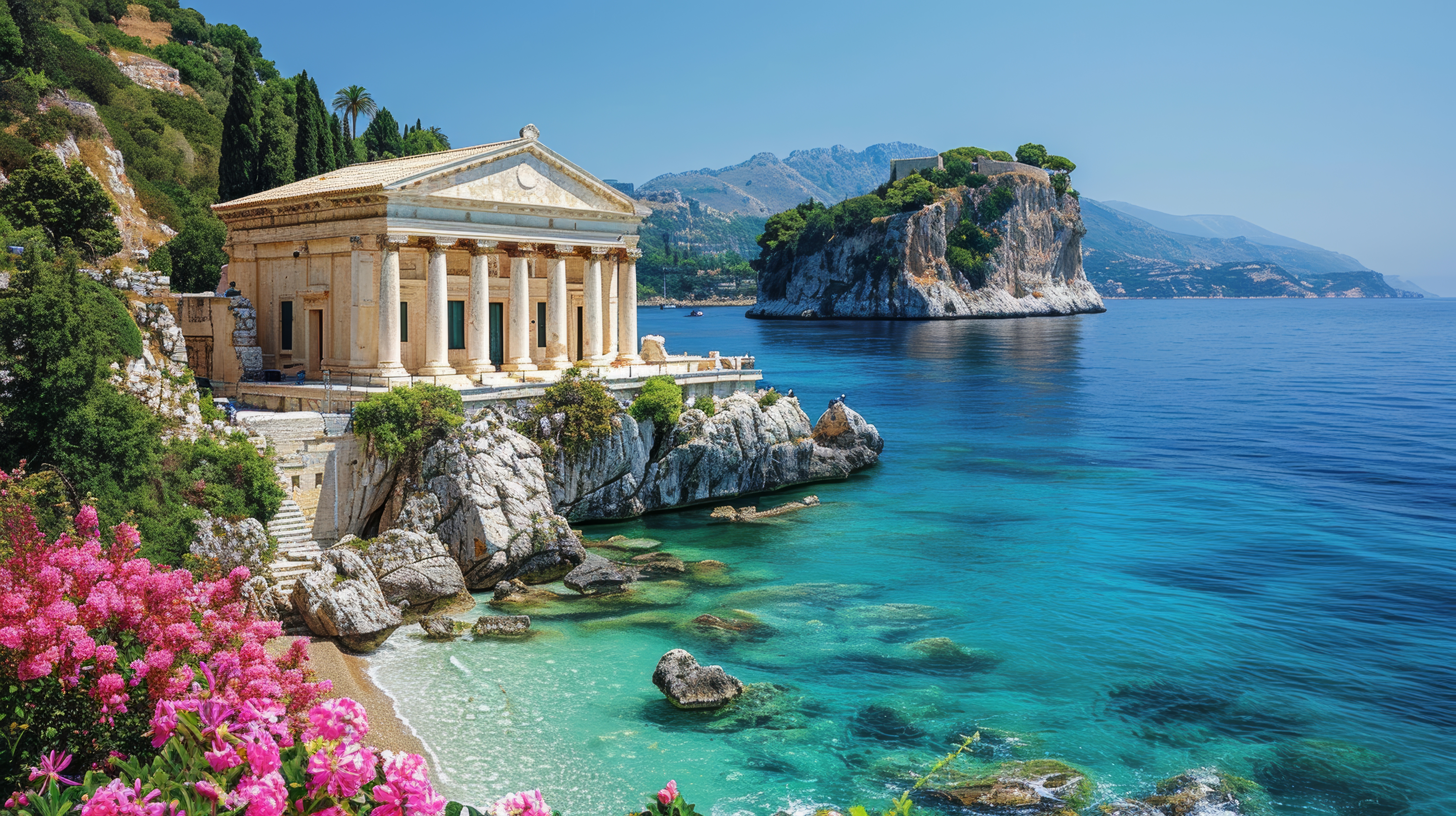
To those familiar with Homer’s poem, excising the island of Phaeacia will be contemptible. In Homer’s poem, this dream-like sequence has the feel of Never-Never Land. Here, on this island, “Odysseus finds a blessed moment of rest and a friendly escort back to Ithaca,” writes Mr. Klavan.
(Odysseus) is met on the shore by Princess Nausicaa, a young girl of quiet resolve on the cusp of marriageable age. She leads him to the palace of her father, King Alcinous, and her mother, Queen Arete, consummate hosts who dine with gods and prepare Odysseus for his journey home at last.
In some ways, holding Odysseus (Matt Damon) unwillingly on her island, Mr. Klavan thinks this is a neat comparison. Nolan’s Calypso (Charlize Theron) feeds him lotus plants, which make him forget his sorrows until he’s ready to remember them.
Who Is Odysseus?
Those questions behind those dreamy looks begin to get answered on the island of Phaeacia by the kindly King Alcinous and Queen Arete.
Listening at dinner to a song about the fall of Troy, a poem very much like Homer’s own, Odysseus breaks down in tears “the way a woman weeps when she flings herself upon her husband, fallen before his city and its people.”
Coaxed gently by King Alcinous in this tender moment of grief, seeing himself in the victims of the war he helped win, Odysseus consents at last to tell his story. “And first,” he says, “I will tell you my name.”
The name, writes Klavan, “our hero has had to warp and conceal to survive, the name that sounds in Greek like “nobody” (“oudeis”) and “suffering” (“odussumai”)—now at last, in Phaeacia, Odysseus can reveal it.”
Laid bare by grief, warmed for the first time in years by an authentic taste of kindness, he can start to speak his pain aloud. He can begin to know himself, and to let us know him. All the poem’s finely woven strands converge in that moment, and Homer starts to show us what it really takes to go home.
You’ll not find that in Mr. Nolan’s Odyssey, critic Mr. Klavan. Where you will find it is in Homer’s Odysseus.
No retelling, no matter how great, can match the intricate gossamer beauty of this poem. Mr. Nolan’s achievements can’t match it, nor can he threaten or diminish it. Whether you love the movie, as I did, or hate it, doesn’t matter very much.
Read Daniel Mendelsohn’s lovely translation, or Robert Fagles’s, or Richmond Lattimore’s, pleads Mr. Klavan.
Listen to the great Ian McKellen read it aloud. But do read it. Nothing else compares.