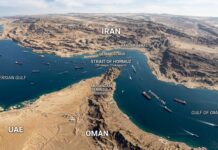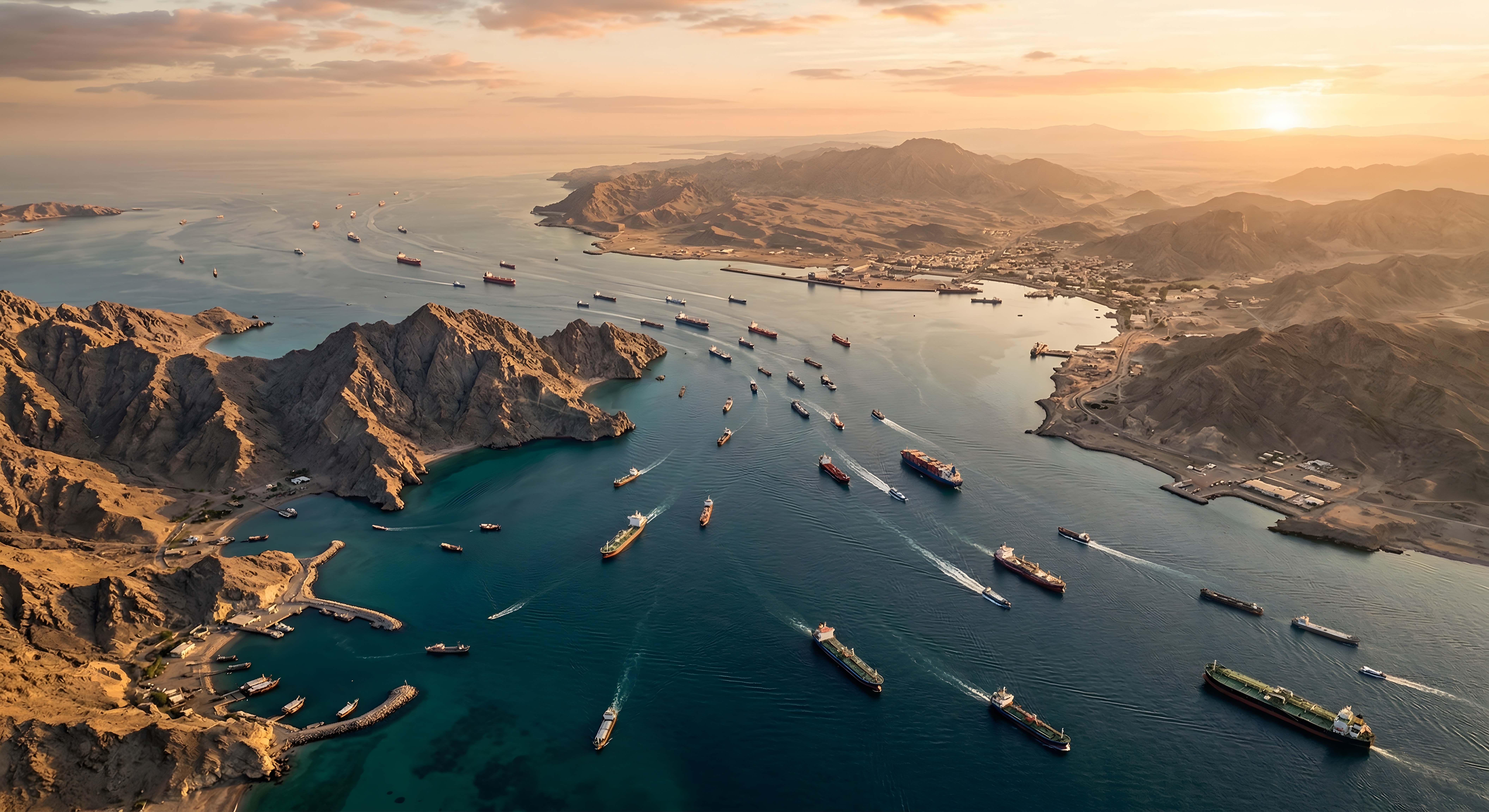
In news reports from tanker tracking groups, they confirm what President Trump has been saying: Adm. Brad Cooper and the forces of U.S. Central Command have turned around the battle of the Strait of Hormuz.
Where the Oil Went
Data shows that the seven-day average for oil clearing the Strait is 14.19 million barrels a day. That happens to be approaching the prewar baseline of 17.13. The missing barrels are Iranian oil exports stopped by the U.S. blockade.
This is what progress looks like, reports the Journal’s editorial board. “Iran’s oil is blocked while the world’s oil increasingly gets through.” The effort has been to reduce pressure on the West and its Gulf allies; meanwhile, Iran scrounges for money. The regime is rapidly running out of oil already on the sea from before or between blockades. Payments, however, will have a longer lag. Mid-October is when Treasury Secretary Scott Bessent estimates the Iranians will deliver the last of this oil to China.
Iran Losing Lifelines
Along the way, Mr. Bessent has been tightly squeezing Iran’s other trade partners. Felt most acutely in the United Arab Emirates, which responded by cutting off trade with Iran. Then there’s Turkey, which is closing Iranian banks. The region is also closing its skies to Tehran by suspending flights.
Is it any wonder that Iran’s currency set another record low? On Tuesday, it plummeted past 2.5 million rials to the dollar. In 2018, the rial began at 25,000 to the dollar and in 2026 near 1.5 million. The Journal reports the rial has fallen nearly 140% on an annual basis since the resumption of the U.S. blockade. As oil-export revenue dries up and goods become harder to import with tightening sanctions, Iran’s economy struggles.
“Once you understand that this is a military mission, that the numbers cited by Energy Secretary Chris Wright aren’t estimates but are the no-kidding barrel counts reported to the U.S. Navy by ship captains,” says Richard Goldberg of the Foundation for Defense of Democracies, “you understand very quickly that open-source tools are wrong and the President is right. We control the Strait of Hormuz.” Mr. Goldberg also was far ahead of most analysts in hailing the success of US measures in Hormuz.
An October Surprise?
By no means, continues the Journal, is Iran done shooting. U.K. Maritime Trade Operations Center on Wednesday reported three successful attacks on ships, and markets are pricing in Iranian escalation.
No one should expect the regime to sit idle while it loses its leverage.
-
Iran may still be able to knock out significant Gulf energy infrastructure.
-
The global diesel shortage persists, leading to surging prices
-
But Iran’s main goal and boast in this war, seizing the Strait, is being reversed.
-
The challenge now is to sustain the pressure and push the U.S. tactical advantage to accomplish strategic objectives—finishing the nuclear program or the regime itself.