Research appears increasingly to show that cancer stem cells are targeted by various foods. I have many times seen turmeric, broccoli sprouts, black pepper, onions, and mushrooms (I eat mushrooms often) mentioned in this regard. You’ll see much more from me on mushrooms over the course of the coming year here at richardcyoung.com and on youngresearch.com. And of course, check in regularly at yoursurvivalguy.com. GreenMedInfo founder Sayer Ji calls mushrooms “Nature’s most researched anti-cancer agent.” He writes:
While many already know that edible mushrooms have significant nutritional value, few are yet aware of just how powerful they can be in mitigating serious health conditions. In fact, when it comes to natural cancer research, no other category has been the subject of more human clinical research than AHCC and Lentinan, both unique preparations of shiitake mushroom.
AHCC stands for active hexose correlated compound, and is classified as a functional food made from hybridized mycelia of shiitake (and sometimes other mushrooms) in rice bran. It contains both alpha- and beta-glucan polysaccharides, well-known modulators of host immunity. Lentinan, also from shiitake (Lentinula edodes), is comprised exclusively beta-glucan. What is so unique about these compounds is that they are “host-mediated” anti-cancer agents, helping the cancer-afflicted body combat cancer by boosting immune function. This is a radically different approach versus conventional chemotherapy and radiation, which causes DNA damage in rapidly dividing cells, indiscriminately, damaging, mutating, and/or killing both cancer and immune cells (among other healthy cell types). Also, conventional treatment enriches cancer stem cells, which inevitably leads to cancer recurrence and the development of more lethal cancer phenotypes.
Ji discusses cancer stem cells and treatments for them again here:
Certain natural compounds have been shown to exhibit three properties that make them suitable alternatives to conventional chemotherapy and radiotherapy:
- High margin of safety: Relative to chemotherapy agents such as 5-fluorouracil, natural compounds are two orders of magnitude safer.
- Selective cytotoxicity: Natural compounds have the ability to target only those cells that are cancerous and not healthy cells.
- CSCs targeting: Natural compounds may have the ability to target the cancer stem cells within a tumor population.
The primary reason why these substances are not used in conventional treatment is because they are not patentable, nor profitable. Sadly, the criteria for drug selection are not safety, effectiveness, accessibility and affordability. If this were so, natural compounds would form an integral part of the standard of care in modern cancer treatment.
Research indicates that the following compounds (along with common dietary sources) may have the ability to target CSCs:
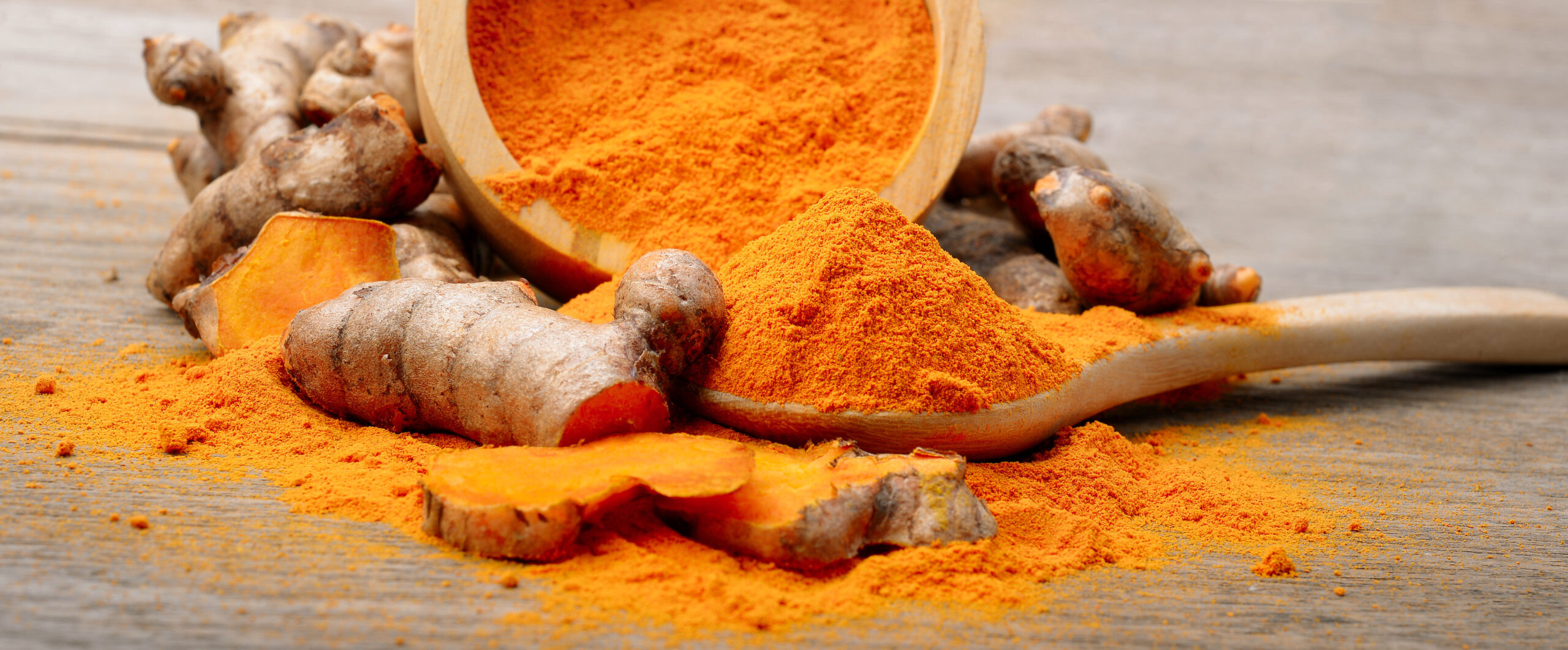
- Curcumin (Turmeric)
- Resveratrol (Red Wine; Japanese Knotweed)
- Quercetin (Onion)
- Sulforaphane (Brocolli sprouts)
- Parthenolide (Butterbur)
- Andrographalide (Andrographis)
- Genistein (Cultured Soy; Coffee)
- Piperine (Black Pepper)
Read more here.
Learn more about turmeric here:
- Study Examines Turmeric’s Anti-Cancer Abilities
- The Untold Powers of Turmeric
- Turmeric The World’s Most Important Herb?
- Can Turmeric Help Reverse Cardiovascular Disease?
- Turmeric for the Brain
- Can Turmeric Help Heal the Brain?
- Kick Every Day into High Gear with Turmeric
- Read About Turmeric, Fibrin, Bromelain and Cancer