
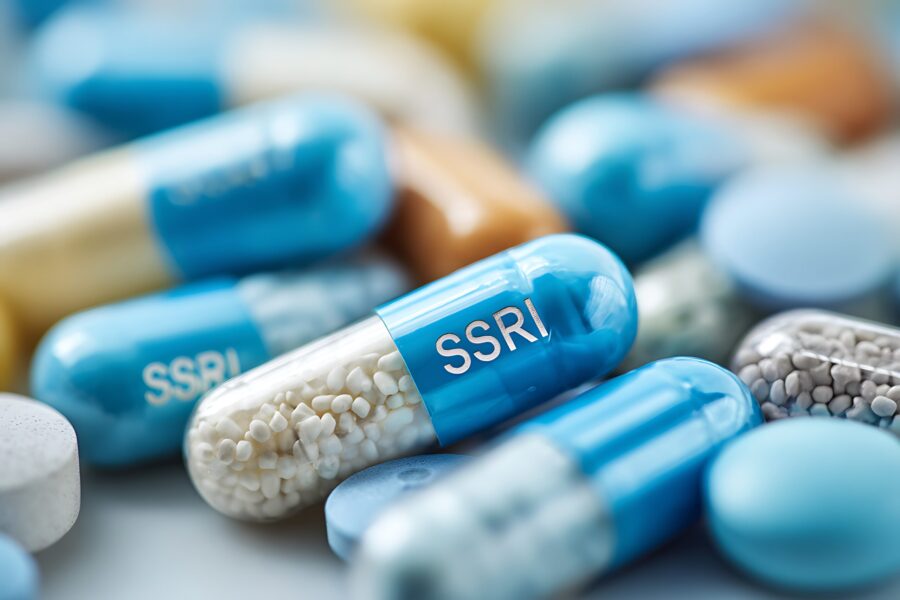
At Mercola.com, Dr. Joseph Mercola discusses the links between antidepressants (SSRIs) and hyponatremia—low sodium in the blood—which he explains can cause negative effects on the body. Mercola writes:
Hyponatremia, or low sodium in the blood, is one of the most common electrolyte disorders seen in clinical settings, and its effects are anything but minor. Sodium keeps your nerves firing and your muscles working. When levels dip, even slightly, you feel drained, confused, or shaky. Push it further and symptoms like nausea, seizures, or fainting start to appear. In severe cases, sodium imbalance drives long hospital stays, lasting cognitive decline, and death.
Antidepressants such as selective serotonin reuptake inhibitors (SSRIs) are routinely prescribed for mood disorders, but what often gets overlooked is how they disrupt sodium balance in your body. This translates into real-world risks like falls, broken bones, and worsening mental health. Older adults, especially women, are hit the hardest, with even short-term use setting off dramatic shifts in sodium control.
The severity of harm varies depending on the drug, the dose, and how long it’s used, yet the outcome is always unpredictable — and sometimes catastrophic. Research makes it clear that these medications disrupt sodium balance in dangerous ways, and a major study to track this problem shows exactly how quickly and severely those drops in sodium occur.
Read more here.


